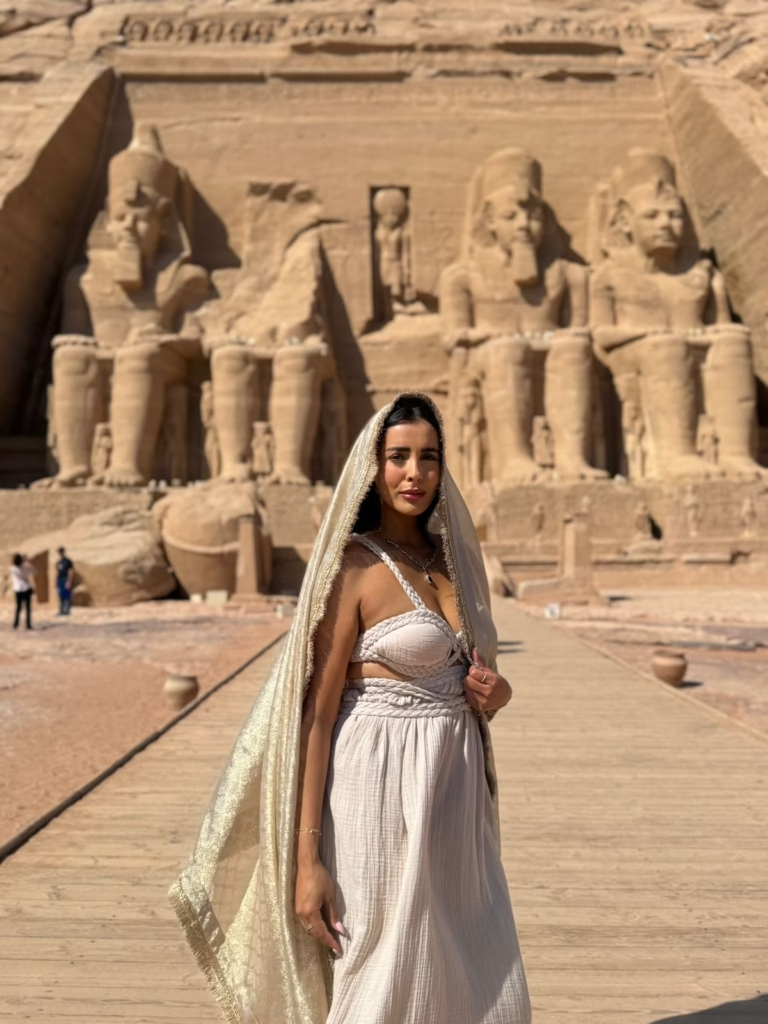
9-Day Egypt and Jordan Adventure: Cairo, Luxor, and Beyond

Informação útil
- Duração 9 dias
- Tamanho do grupo Up to 10
- Idiomas English, France, Germany, Italy
- Partidas Everyday
- Horários de início 8:00 am
- Ponto de encontro Cairo
Resumo
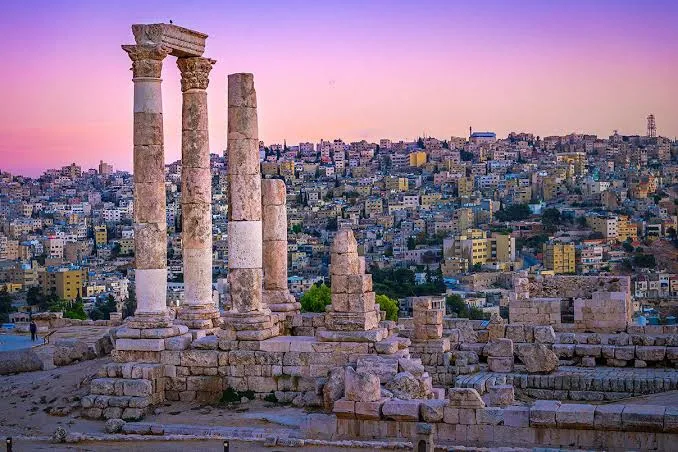
Discover the ancient wonders of Egypt and Jordan on a memorable nine-day journey with Book Egypt Travel. Explore Cairo’s famous pyramids and historic streets, then travel to Luxor to experience the temples and tombs of ancient Thebes. Continue to Jordan to see Madaba’s celebrated mosaic map, take in the views from Mount Nebo, float in the Dead Sea, and explore Petra and Wadi Rum.
Enjoy a thoughtfully arranged trip with comfortable accommodation, air-conditioned transportation, flights between destinations as specified in your itinerary, and knowledgeable local guides. From the monumental sites of Egypt to the rose-colored cliffs of Petra and the desert landscapes of Wadi Rum, this tour brings together the history, culture, and scenery of two remarkable countries.
Destaques
- Giza Pyramids
- the Great Sphinx
- Grand Egyptian Museum
- Saqqara Step Pyramid
- Hanging Church
- Khan El Khalili Bazaar
- Al-Muizz Street
- National Museum
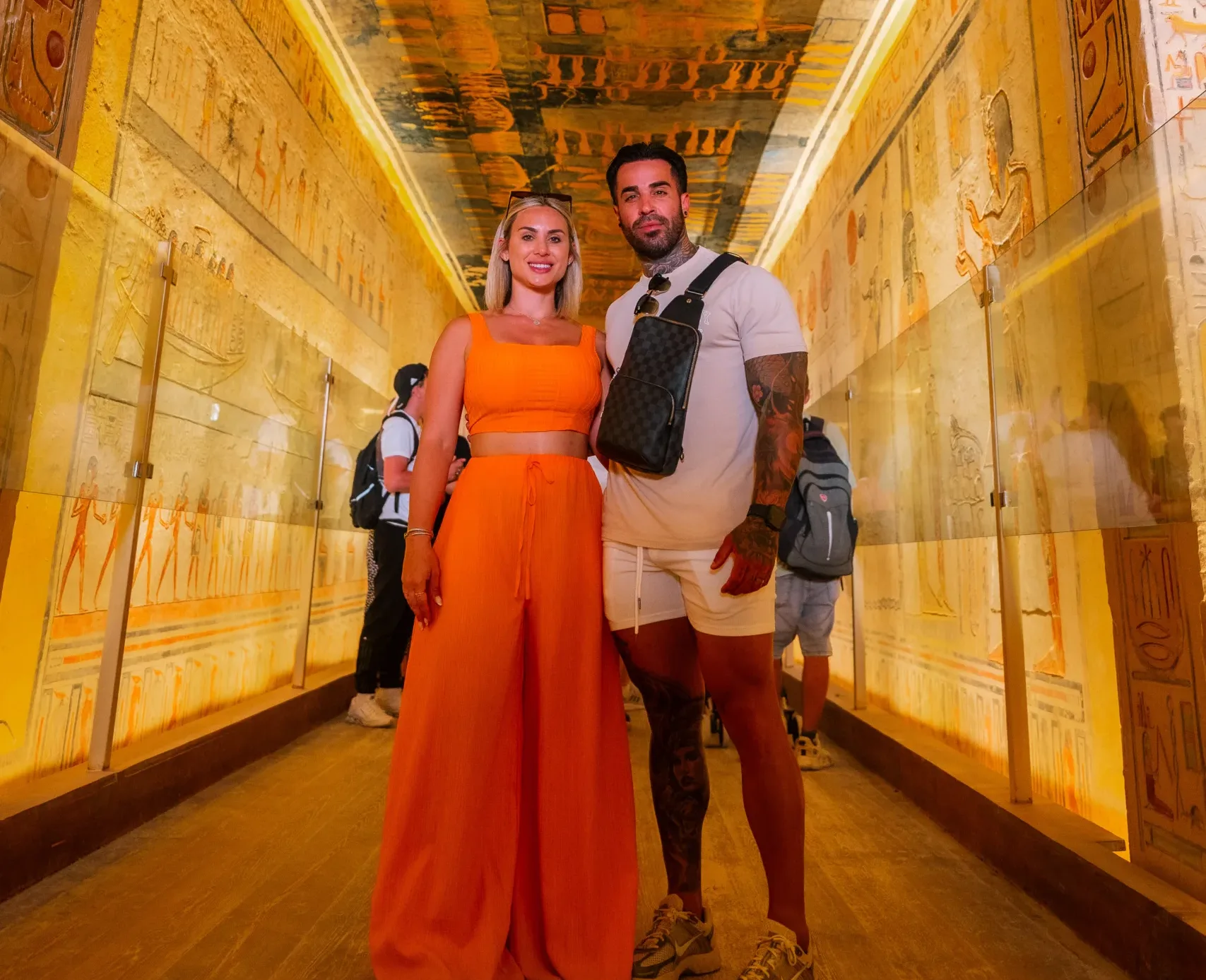
- Valley of the Kings
- Temple of Hatshepsut
- St. George’s Church
- Mount Nebo
- Dead Sea
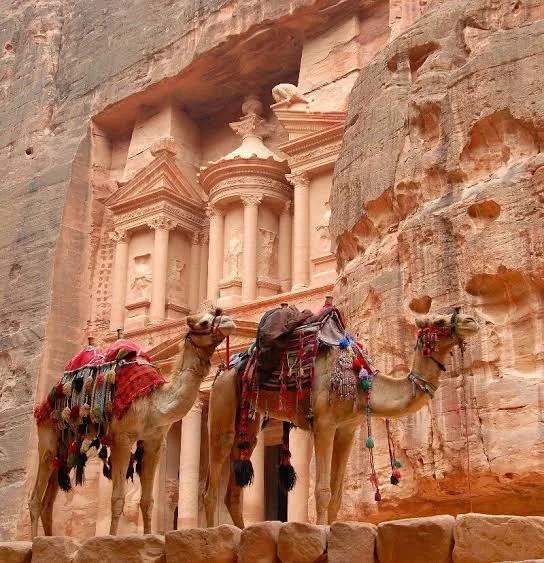
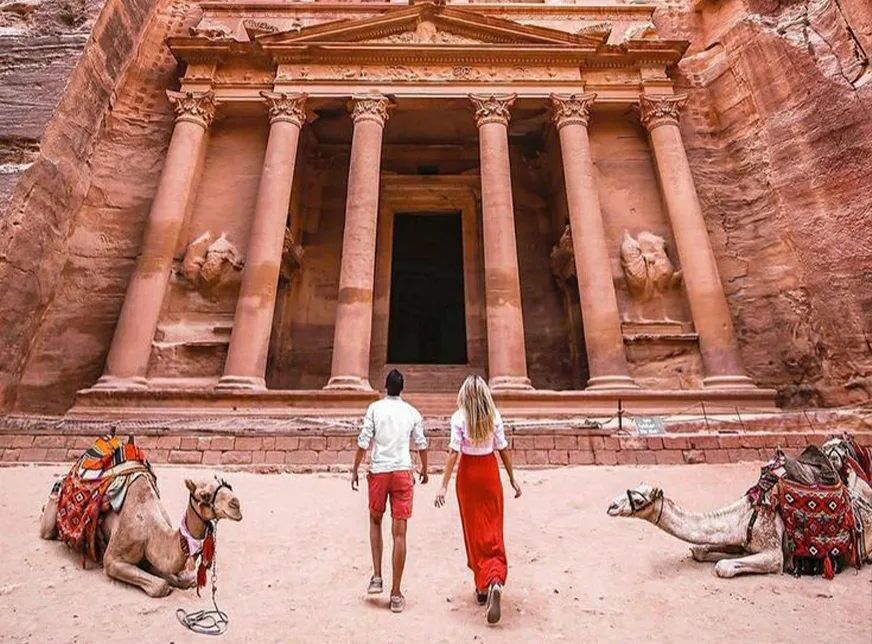
- Petra’s Siq and Treasury
- Royal Tombs
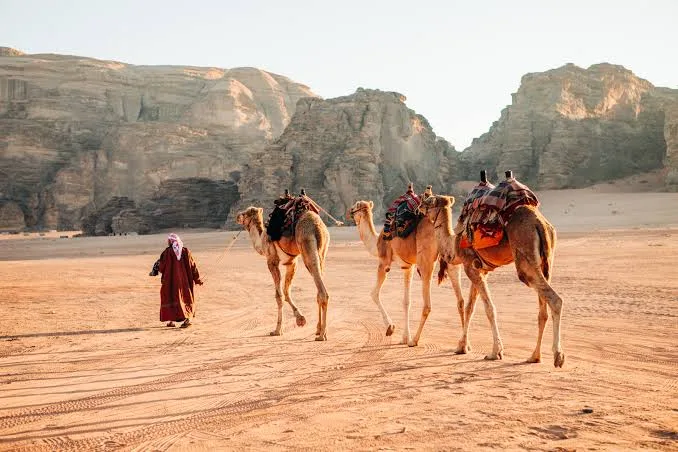
- Wadi Rum
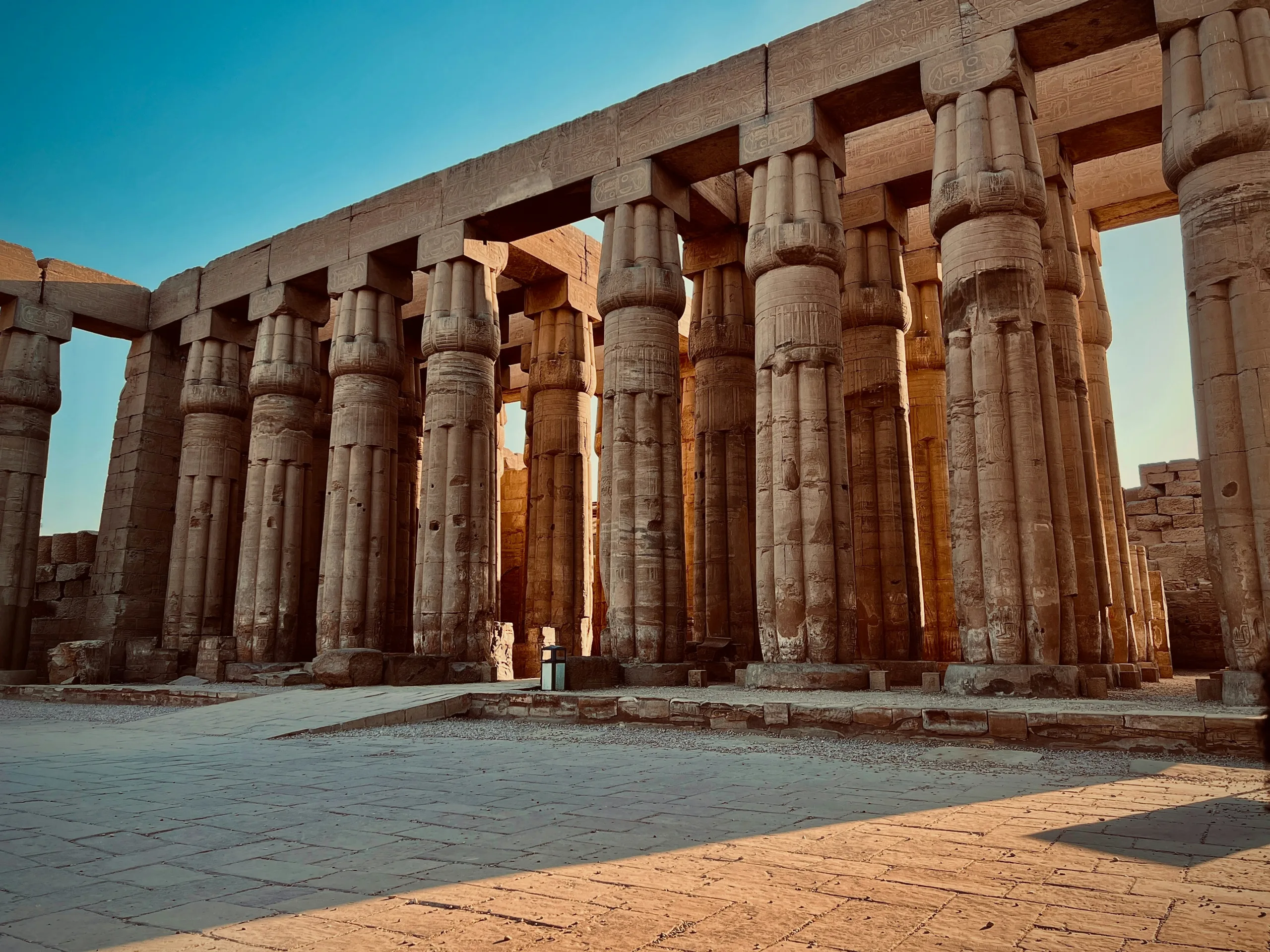
- Luxor Temple
- Karnak Temple
O que está incluído
Incluído
- Tour Inclusions
- Meet-and-assist service at the airports
- Shared sightseeing tours and transfers with other travelers
- Transportation in modern, air-conditioned vehicles
- English-speaking guides during sightseeing tours
- Entrance fees to all attractions listed in the itinerary
- Domestic flight between Luxor and Cairo
- Meals as specified in the itinerary
- Two nights’ accommodation at a 5-star hotel in Cairo, including breakfast
- Three nights’ accommodation at a 5-star hotel in Luxor, including breakfast
- Three nights’ accommodation at a 5-star hotel in Amman, including breakfast
- All service charges and taxes
Não incluído
- International airfare
- Egyptian entry visa
- Optional tours
- Personal expenses
- Tips and gratuities
Dia a dia
-
01 Day 1 – Arrival in Cairo and Nile Dinner Cruise

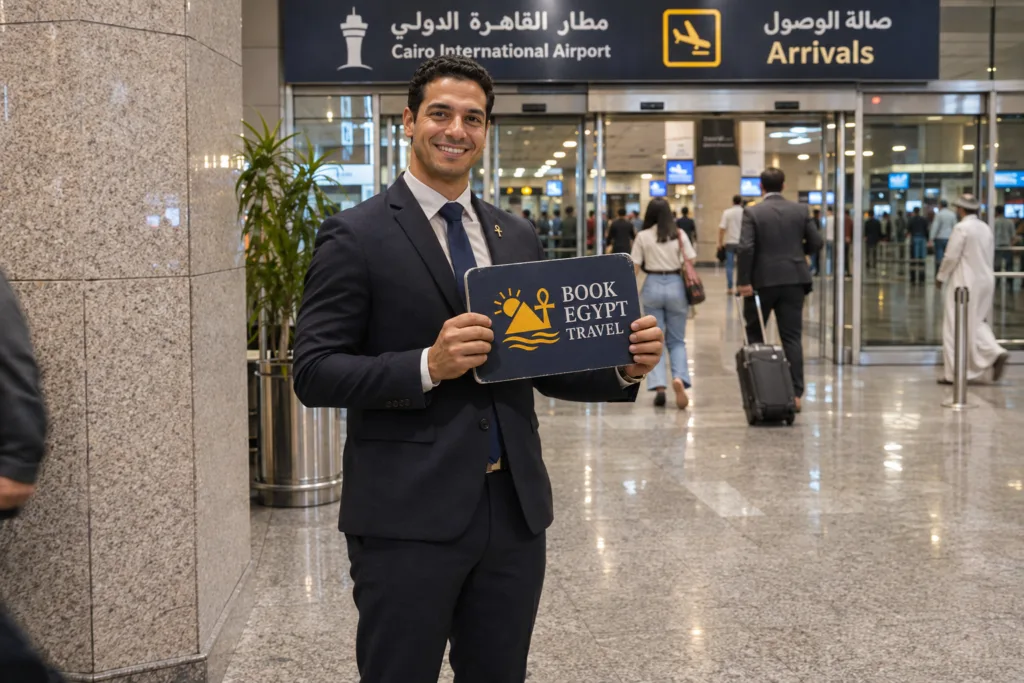
Upon arrival at Cairo International Airport, a Book Egypt Travel representative will meet you, assist with arrival formalities, and help you identify and collect your luggage. You’ll then transfer by air-conditioned vehicle to your Cairo hotel to check in and relax.
Dinner Cruise on the Nile
In the evening, enjoy dinner aboard a Nile cruise, accompanied by live Egyptian music and traditional performances, including a Tanoura show. After the cruise, return to your hotel.
-
02 Day 2 – Giza Pyramids, Grand Egyptian Museum, and Flight to Luxor

After breakfast and check-out, meet your guide and head to the Giza Plateau.
Giza Pyramids Complex
This celebrated archaeological site is home to the pyramids built for the kings of Egypt’s Fourth Dynasty. Its monumental architecture reflects the power, beliefs, and remarkable building skills of ancient Egypt.
The Great Pyramid of Khufu
Built as the tomb of Pharaoh Khufu, the Great Pyramid is the largest pyramid at Giza and the only surviving wonder of the ancient world. Its scale and precise construction continue to fascinate visitors and researchers.
The Great Sphinx
The Sphinx is a monumental statue with a lion’s body and a human head, traditionally associated with Pharaoh Khafre. Carved from the limestone bedrock, it stands as one of Egypt’s most recognizable ancient monuments.
The Valley Temple
Part of Khafre’s pyramid complex, the Valley Temple was used for royal funerary rituals. Its massive stone blocks and well-preserved interior offer a glimpse into Old Kingdom religious and architectural practices.
Grand Egyptian Museum
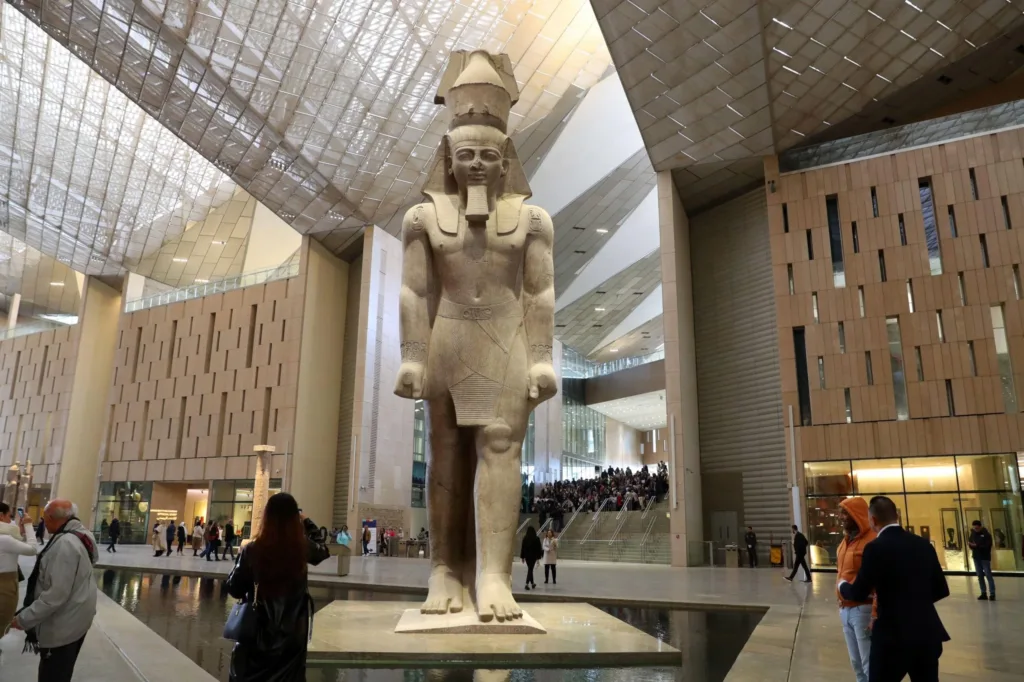
Located near the Giza Plateau, the Grand Egyptian Museum presents artifacts from across Egypt’s history. Its collection includes monumental statues and objects from the tomb of Tutankhamun, displayed in galleries designed to introduce visitors to ancient Egyptian civilization.
Enjoy lunch at a local restaurant before transferring to Cairo International Airport for your flight to Luxor. Upon arrival, transfer to your hotel.
-
03 Day 3 – Karnak Temple and Luxor Temple

After breakfast, explore Luxor’s East Bank.
Karnak Temple
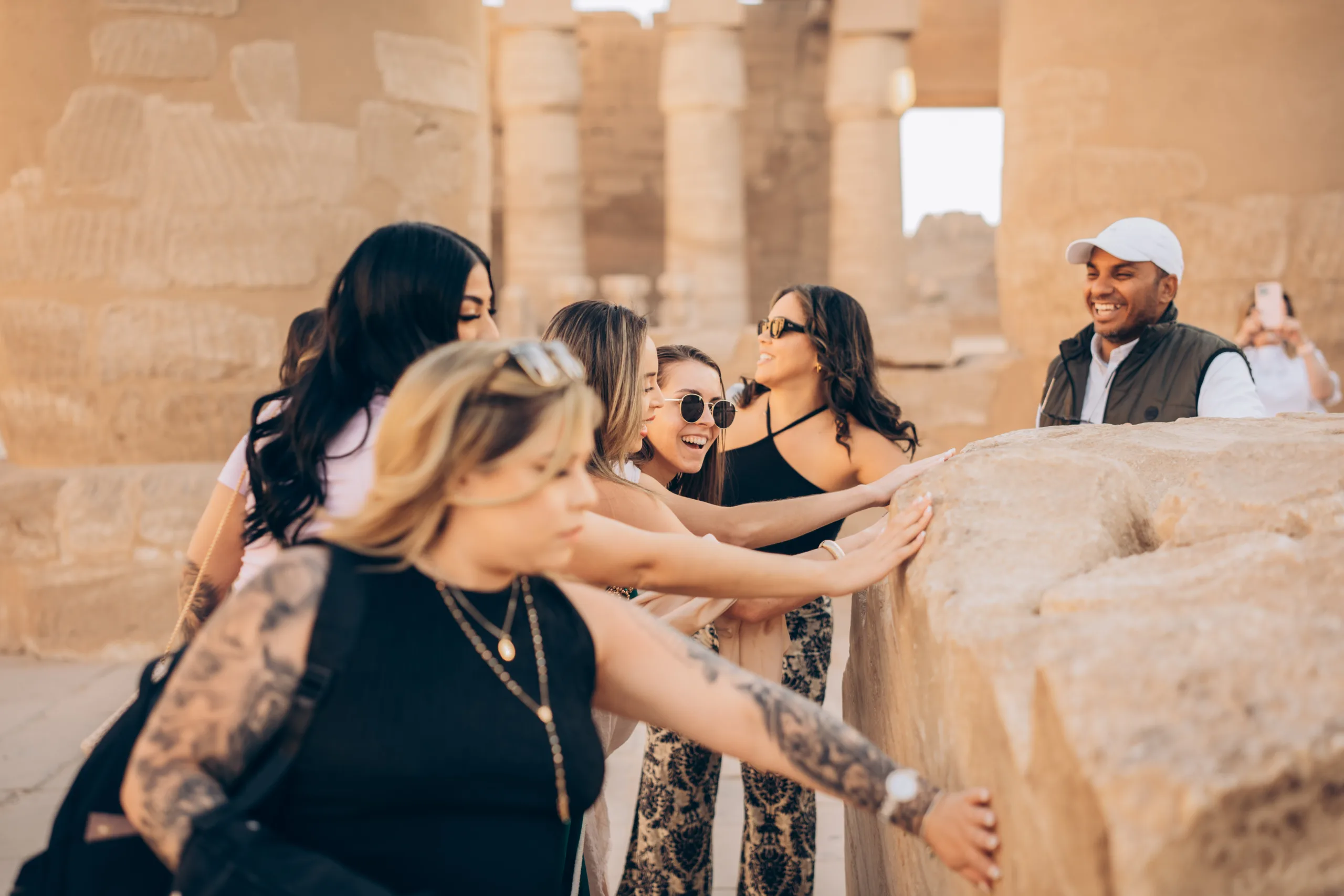
Karnak is one of the largest religious complexes ever built. Developed over many centuries, it was a major center of worship dedicated primarily to the Theban god Amun and his divine family. Its monumental pylons, courtyards, obelisks, and Great Hypostyle Hall reveal the scale of ancient Egyptian religious life.
Enjoy lunch at a local restaurant, then return to your hotel for time to relax before your evening visit.
Luxor Temple by Night
Set in the heart of modern Luxor, Luxor Temple is especially atmospheric after dark. Built mainly during the reign of Amenhotep III and expanded by later rulers, the temple is known for its elegant colonnades, statues, and detailed reliefs. It was closely connected with the annual Opet Festival, which celebrated the renewal of kingship.
Return to your hotel for the night.
-
04 Day 4 – Luxor’s West Bank

After breakfast and check-out, explore the West Bank’s royal tombs and monuments.
Temple of Hatshepsut
Built for Queen Hatshepsut at Deir el-Bahari, this striking temple is set against a dramatic limestone cliff. Its terraces, colonnades, and carved reliefs commemorate the reign of one of Egypt’s most successful female rulers.
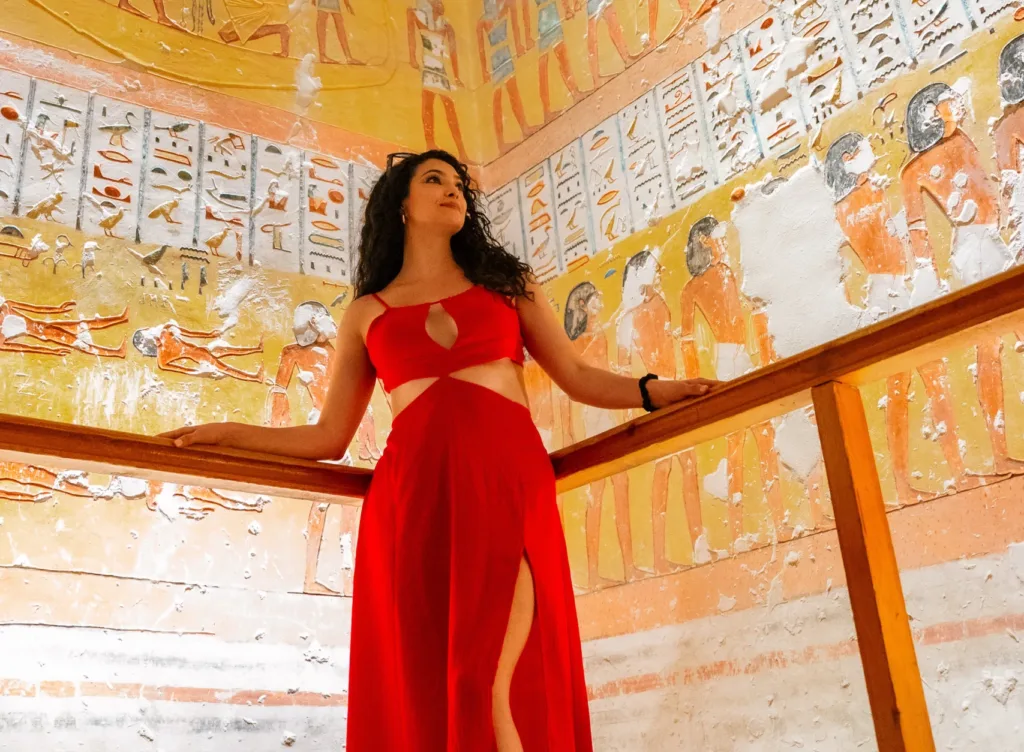
Valley of the Kings
The Valley of the Kings served as a royal burial ground during the New Kingdom. Its tombs were cut into the desert hills and decorated with scenes and texts connected with the pharaohs’ journey to the afterlife. The tombs open to visitors may vary, and some require a separate ticket.
Enjoy lunch at a local restaurant before continuing to the Colossi of Memnon.
Colossi of Memnon
These two monumental statues once stood at the entrance to the mortuary temple of Pharaoh Amenhotep III. Although the temple has largely disappeared, the statues remain an impressive landmark on Luxor’s West Bank.
Return to your Luxor hotel.
-
05 Day 5 – Flight to Cairo and Historic Cairo

After breakfast, check out and transfer to Luxor Airport for your flight to Cairo. Upon arrival, meet your guide and explore historic Cairo.
The Hanging Church
Also known as the Church of the Virgin Mary, the Hanging Church is built above the southern gatehouse of the Roman Fortress of Babylon. Its interior features icons, a timbered ceiling, and decorative details reflecting centuries of Coptic Christian tradition.
Ben Ezra Synagogue
Ben Ezra is a historic synagogue in Old Cairo, associated with the Cairo Geniza, a remarkable collection of Jewish manuscripts and documents. The site reflects the area’s long and diverse religious history.
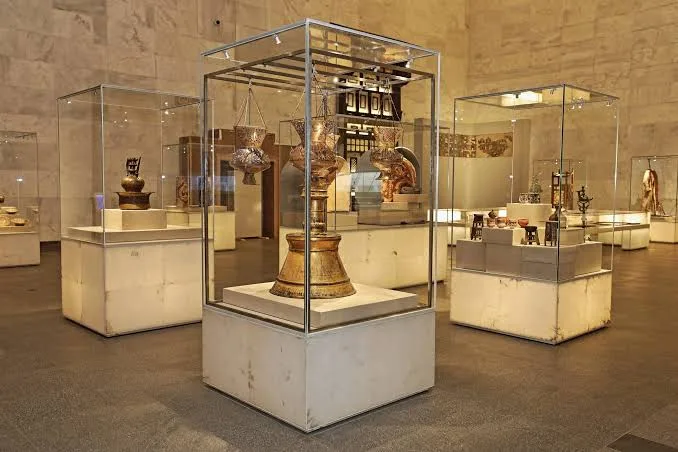
National Museum of Egyptian Civilization
The National Museum of Egyptian Civilization traces Egypt’s story from prehistoric times to the present. Its galleries explore different periods of Egyptian life, while the Royal Mummies Hall displays the remains of several ancient rulers.
Al-Muizz Street
Al-Muizz Street is a historic thoroughfare lined with mosques, schools, gates, and other examples of Islamic architecture. Its buildings offer a vivid sense of Cairo’s medieval history.
Khan El Khalili Bazaar
This historic market is known for its lively lanes and shops selling souvenirs, spices, jewelry, textiles, and traditional crafts. It’s also a popular place to stop for tea at a classic Cairo café.
After sightseeing, transfer to your Cairo hotel.
-
06 Day 6 – Cairo to Amman

After breakfast, check out and transfer to Cairo International Airport for your flight to Amman. Upon arrival at Queen Alia International Airport, a Book Egypt Travel representative will meet you and assist with arrival formalities and luggage. You’ll then transfer by private vehicle to your hotel in Amman.
-
07 Day 7 – Madaba, Mount Nebo, and the Dead Sea

After breakfast, meet your driver and travel to Madaba.
St. George’s Church and the Madaba Map
St. George’s Greek Orthodox Church is home to the famous sixth-century mosaic map of the Holy Land. Though parts of the mosaic are missing, it remains an important example of early Christian art and offers a fascinating view of biblical geography.
Mount Nebo
Mount Nebo is traditionally associated with the biblical account of Moses viewing the Promised Land. From the summit, enjoy panoramic views across the Jordan Valley and, on clear days, toward the hills around Jerusalem.
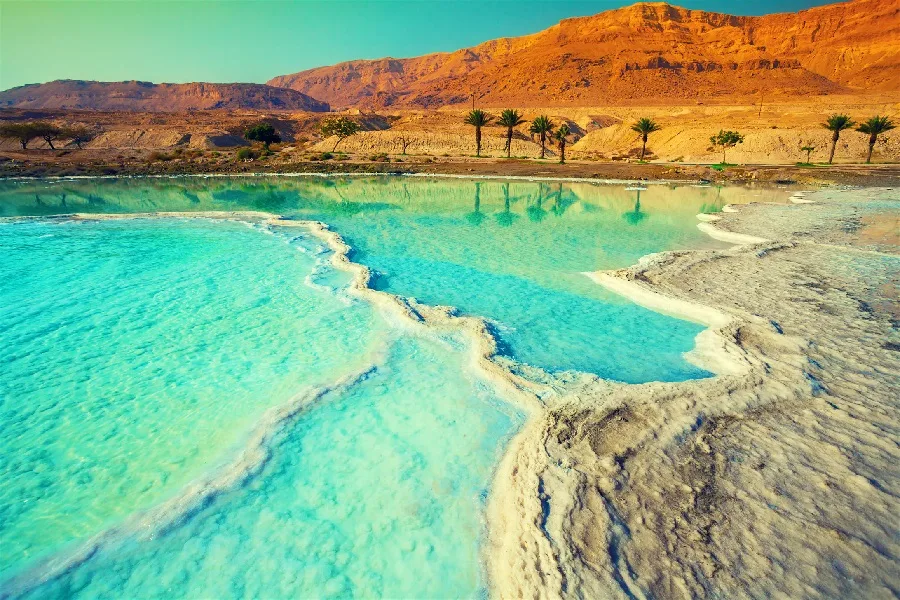
The Dead Sea
The Dead Sea is known for its exceptionally salty water and its location at the lowest elevation on Earth’s surface. Take time by the shore and, if conditions allow, experience floating in the mineral-rich water.
Enjoy lunch at a local restaurant, then continue to Petra and check in to your hotel.
-
08 Day 8 – Petra and Wadi Rum
After breakfast and check-out, explore Petra with your local guide.

Petra
Petra was the capital of the Nabataean Kingdom and is renowned for its rose-colored sandstone monuments. Its temples, tombs, and water systems reflect the skill and influence of the Nabataeans.
The Siq
The Siq is a narrow, winding gorge that forms the main entrance to Petra. Its high rock walls open onto the city’s most famous monument.
Al-Khazneh (The Treasury)
The Treasury is Petra’s most recognized façade, carved into the sandstone cliff in the first century AD. Despite its name, it is generally believed to have served as a tomb or temple.
The Royal Tombs
Carved into Petra’s eastern cliffs, the Royal Tombs form an impressive group of burial façades. Their varied designs and weathered colors offer insight into Nabataean funerary architecture.
The Roman Theatre
The theatre was first built by the Nabataeans and later modified during the Roman period. Carved partly into the rock, it could accommodate a large audience for performances and public gatherings.
Qasr al-Bint
Qasr al-Bint is one of Petra’s principal temples and one of the few major structures in the city built as a freestanding monument. Its surviving stonework gives visitors a sense of the religious architecture that once stood in Petra’s center.
After your visit, travel to Wadi Rum and enjoy dinner at a Bedouin camp.
Wadi Rum
Known as the “Valley of the Moon,” Wadi Rum is a vast desert landscape of red sand, sandstone cliffs, and striking rock formations. Its natural scenery and archaeological remains tell the story of human life and travel across the region.
-
09 Day 9 – Wadi Rum Safari and Departure
After breakfast, set out on a 4–5-hour 4x4 safari through Wadi Rum’s desert landscape. Explore the area’s rock formations and historic sites, including:
Um Frouth Rock Bridge
This natural rock arch is a well-known landmark in Wadi Rum. Visitors can climb it for views of the surrounding desert; the ascent involves uneven terrain.
Little Bridge
A smaller natural rock arch set among Wadi Rum’s sandstone formations, Little Bridge is a scenic stop during the desert safari.
Burdah Arch
Burdah Arch is a striking natural rock bridge high in the mountains. Reaching it on foot requires a strenuous climb, so your visit will depend on the safari route and conditions.
Nabataean Temple
The remains of this temple reflect Wadi Rum’s historical connections to Nabataean trade routes. Its stonework and inscriptions provide evidence of the region’s ancient communities.
Lawrence Spring
Lawrence Spring is a natural water source associated with T. E. Lawrence, who travelled through Wadi Rum during the Arab Revolt. The spring has long served as a source of water in the desert.
Khazali Canyon
Khazali Canyon is a narrow gorge known for inscriptions and carvings on its rock walls. These markings offer a glimpse into the people who travelled through and lived in the region over many centuries.
After the safari, transfer to Amman or Queen Alia International Airport for your departure.
Disponibilidade
Este tour parte nos seguintes dias. Envie-nos a sua data preferida e confirmaremos a disponibilidade.
- Everyday
Ocupação de quartos e camarotes e suplemento individual
- Todos os preços dos tours baseiam-se em dois hóspedes que partilham um quarto ou camarote duplo, salvo indicação em contrário.
- Os hóspedes que solicitem um quarto ou camarote privado terão de pagar um suplemento individual.
- Nos cruzeiros no Nilo, o suplemento por camarote individual é normalmente mais 70 % da tarifa por pessoa em camarote duplo.
- Os suplementos de quarto individual em hotéis variam consoante o hotel, as datas de viagem, a disponibilidade e a época.
- Os quartos e camarotes individuais estão sujeitos a disponibilidade e confirmação final.
- O suplemento individual exato será indicado claramente na sua cotação e confirmação de reserva.
- Se um viajante cancelar e o outro ocupar sozinho o quarto ou camarote, o suplemento individual aplicável poderá ser adicionado à reserva.
Ao confirmar a sua reserva, aceita as condições aplicáveis de ocupação de quarto ou camarote e de suplemento individual.
Ler a política completa de reserva, pagamento e cancelamentoOs suplementos individuais podem variar consoante o fornecedor e são sempre confirmados antes do pagamento.
Perguntas frequentes
O que devo vestir num cruzeiro pelo Nilo no Egito?
Ao fazer um cruzeiro pelo rio Nilo no Egito, é essencial vestir-se tanto para o clima quente quanto para a cultura local. Roupas leves e respiráveis são ideais para o conforto durante o dia, mas recomenda-se um traje modesto, especialmente durante excursões em terra. As mulheres devem evitar calções curtos, roupas transparentes ou trajes de banho quando estiverem fora do cruzeiro, e tanto homens como mulheres devem cobrir as pernas e a parte superior dos braços ao visitar mesquitas ou locais religiosos. O traje de banho é aceitável a bordo do navio de cruzeiro, mas não é apropriado em espaços públicos em terra. Vestir-se de forma respeitosa garante uma experiência de viagem tranquila e culturalmente sensível.
Qual é a melhor altura para um cruzeiro no rio Nilo no Egito?
A melhor altura para desfrutar de um cruzeiro no rio Nilo no Egito é entre finais de outubro e meados de abril, quando o tempo é agradavelmente ameno e ideal para visitas turísticas. Este período oferece o clima mais confortável para explorar templos antigos e navegar pelo Nilo sem o calor intenso do verão. No entanto, tenha em mente que o Natal e a Páscoa são considerados épocas altas, com preços mais elevados e maior procura. Para desfrutar de uma experiência de cruzeiro no Nilo mágica e acessível, o melhor é planear fora destas épocas festivas — e com os nossos pacotes personalizados, obterá sempre a melhor relação qualidade-preço, independentemente da estação.
Quais são os melhores preços para um cruzeiro no Rio Nilo no Egito?
Navegar pelo Rio Nilo é uma das experiências de viagem mais inesquecíveis do Egito, e existe uma variedade de opções de cruzeiro no Nilo para todos os orçamentos. As categorias mais populares e recomendadas são os cruzeiros no Nilo de 5 estrelas e 5 estrelas High Deluxe, que oferecem conforto luxuoso, visitas guiadas e comodidades de primeira linha. Os preços variam dependendo do tipo de cruzeiro, das instalações e da época da viagem—especialmente durante as épocas altas, como o Natal e a Páscoa, quando as tarifas são mais elevadas. Para obter os melhores preços de cruzeiros no Rio Nilo e ofertas exclusivas, explore os nossos pacotes selecionados, concebidos para lhe proporcionar o equilíbrio perfeito entre qualidade e valor.
Quais são os tipos de cruzeiros pelo rio Nilo no Egito?
Existem dois tipos principais de cruzeiros pelo rio Nilo no Egito à escolha, dependendo do seu estilo de viagem e preferências. O primeiro é o cruzeiro privado Dahabiya no Nilo, um veleiro tradicional que oferece uma experiência íntima com cerca de 8 a 10 cabines luxuosas, ideal para pequenos grupos ou casais que procuram privacidade e elegância. A segunda opção, e mais comum, é o navio de cruzeiro padrão grande no Nilo, que normalmente dispõe de 100 a 150 cabines, comodidades modernas, entretenimento e excursões guiadas. Ambas as opções proporcionam viagens inesquecíveis ao longo do Nilo, com o conforto e a descoberta cultural como pilares centrais.
Quais São as Instalações num Cruzeiro pelo Rio Nilo?
Um cruzeiro de luxo pelo Rio Nilo no Egito é essencialmente um hotel flutuante totalmente equipado, oferecendo todo o conforto e comodidades que esperaria de um resort de 5 estrelas. As instalações a bordo incluem normalmente um solário com vistas panorâmicas, uma piscina interior, spa e centro de beleza, restaurante, lounge bar, discoteca e até lojas de recordações. Os hóspedes também podem desfrutar de serviços como lavandaria, cofre e uma variedade de opções de entretenimento, garantindo uma viagem relaxante e agradável enquanto navega entre os monumentos antigos mais emblemáticos do Egito.
Quais são as principais atrações a visitar num cruzeiro pelo rio Nilo?
Um cruzeiro pelo rio Nilo entre Luxor e Assuão (ou vice-versa) oferece aos viajantes a oportunidade de explorar algumas das atrações antigas mais icónicas do Egito. Os destaques incluem o magnífico Complexo de Templos de Karnak, os túmulos reais no Vale dos Reis, o elegante Templo de Hatshepsut e o bem preservado Templo de Edfu, dedicado a Hórus. Irá também visitar o singular Templo de Kom Ombo, o encantador Templo de Filas de Ísis e o impressionante Obelisco Inacabado em Assuão. Estes marcos refletem o passado glorioso do Egito e tornam um cruzeiro pelo Nilo numa viagem verdadeiramente inesquecível através da história.
Quais são as melhores atividades para fazer no Egito?
O Egito oferece uma variedade incrível de atividades para todos os viajantes. Uma das melhores experiências é navegar num cruzeiro pelo Rio Nilo entre Luxor e Assuão, explorando templos antigos ao longo do caminho. Para vistas deslumbrantes, desfrute de um passeio de balão de ar quente sobre Luxor ou de passeios aéreos panorâmicos de avião. Mergulhe nos sabores ricos do Egito provando a autêntica gastronomia egípcia e fazendo compras nas ruas movimentadas do Cairo Antigo. Para os amantes de aventura, o snorkeling e o mergulho no Mar Vermelho — especialmente em estâncias como Hurghada — oferecem um vislumbre da vibrante vida marinha. Não perca a oportunidade de embarcar num safari no deserto no Deserto Ocidental, onde poderá experienciar a magia das paisagens do Egito sob céus repletos de estrelas.
Quais são os festivais e feriados públicos do Egito?
O Egito celebra uma variedade de feriados públicos e festivais, tanto religiosos como nacionais. Entre os mais significativos estão o mês sagrado do Ramadão, um período de jejum e reflexão espiritual para os muçulmanos, que termina com a alegre celebração do Eid al-Fitr. Outros feriados importantes incluem o Eid al-Adha, o Ano Novo Islâmico e o Mawlid al-Nabi (o aniversário do Profeta). Do lado nacional e cultural, o Natal (7 de janeiro), a Véspera de Ano Novo, o Dia da Revolução (23 de julho) e o Dia da Libertação do Sinai (25 de abril) são amplamente observados. Estes festivais oferecem aos visitantes uma experiência cultural rica e um olhar mais profundo sobre o património do Egito.
É seguro fazer uma excursão no Egito neste momento?
O Egito oferece uma vasta gama de excursões para todos os estilos de viagem, interesses e orçamentos. Algumas das opções mais populares incluem uma excursão de 6 dias que abrange o Cairo, Luxor, Assuão e Abu Simbel; um pacote de 8 dias que explora o Cairo, Luxor, Abu Simbel e Hurghada; uma viagem de 9 dias que combina o Cairo, um cruzeiro pelo Nilo e Alexandria; e uma excursão de 10 dias que inclui o Cairo, Assuão, Luxor e Hurghada. Quer se sinta atraído pela história antiga, por marcos culturais ou por relaxar junto ao Mar Vermelho, existe uma excursão perfeitamente adaptada a si.
Quanto custa uma viagem ao Egito?
Os preços das excursões no Egito variam consoante a duração, o conforto e o que está incluído. As excursões económicas começam por volta dos 600–900 USD por uma semana, os pacotes de gama média variam entre 1.000–1.800 USD e as excursões de luxo podem exceder os 2.000 USD. Os preços incluem normalmente hotéis, visitas guiadas e transporte doméstico, mas não voos internacionais.
Quais são os requisitos de visto para o Egito?
Para visitar o Egito, a maioria dos viajantes necessita de um visto. Cidadãos de mais de 180 países, incluindo os EUA, Reino Unido, Canadá e nações da UE, podem solicitar um visto de turista de 30 dias. Este pode ser obtido online através do portal oficial de eVisa do Egito ou à chegada aos aeroportos egípcios por uma taxa de aproximadamente 25 USD. No entanto, os viajantes que se dirigem aos resorts de Sharm El Sheikh, Dahab, Nuweiba ou Taba podem entrar sem visto por até 15 dias, aqui está o www.visa2egypt.gov.eg
Por quanto tempo o meu passaporte deve ser válido para viajar para o Egito?
Validade do passaporte: Certifique-se de que o seu passaporte é válido por pelo menos 6 meses a partir da data prevista de chegada ao Egito.
O que preciso de levar para a minha viagem ao Egito?
Precisará de levar roupa leve e respirável, um chapéu, óculos de sol, protetor solar, calçado confortável para caminhar, uma garrafa de água reutilizável, um lenço ou xaile (para o sol e visitas a templos) e um kit básico de primeiros socorros. Não se esqueça do seu passaporte, dos documentos de viagem e de quaisquer medicamentos pessoais.
Qual é a melhor altura para visitar o Egito?
A melhor altura para visitar o Egito é durante os meses mais frescos, de outubro a abril, quando as temperaturas são amenas e confortáveis para passeios turísticos. Evite os meses de pico do verão (junho a agosto), pois pode ficar extremamente quente, especialmente nas regiões desérticas e do sul.
Avaliações reais, viajantes reais
Avaliações da Book Egypt Travel
Avaliações verificadas de hóspedes de toda a web — as palavras são exatamente o que os nossos viajantes escreveram.
Explore mais