9-Day Egypt and Jordan Adventure: Cairo, Luxor, and Beyond

Información útil
- Duración 9 días
- Tamaño del grupo Up to 10
- Idiomas English, France, Germany, Italy
- Salidas Everyday
- Horarios de inicio 8:00 am
- Punto de encuentro Cairo
Resumen
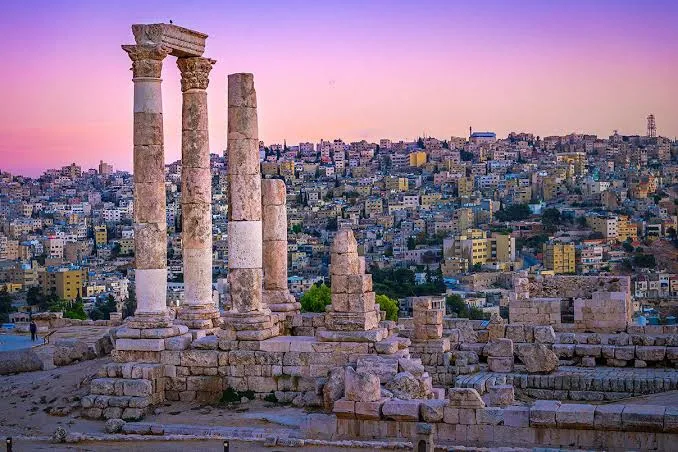
Discover the ancient wonders of Egypt and Jordan on a memorable nine-day journey with Book Egypt Travel. Explore Cairo’s famous pyramids and historic streets, then travel to Luxor to experience the temples and tombs of ancient Thebes. Continue to Jordan to see Madaba’s celebrated mosaic map, take in the views from Mount Nebo, float in the Dead Sea, and explore Petra and Wadi Rum.
Enjoy a thoughtfully arranged trip with comfortable accommodation, air-conditioned transportation, flights between destinations as specified in your itinerary, and knowledgeable local guides. From the monumental sites of Egypt to the rose-colored cliffs of Petra and the desert landscapes of Wadi Rum, this tour brings together the history, culture, and scenery of two remarkable countries.
Lo más destacado
- Giza Pyramids
- the Great Sphinx
- Grand Egyptian Museum
- Saqqara Step Pyramid
- Hanging Church
- Khan El Khalili Bazaar
- Al-Muizz Street
- National Museum
- Valley of the Kings
- Temple of Hatshepsut
- St. George’s Church
- Mount Nebo
- Dead Sea
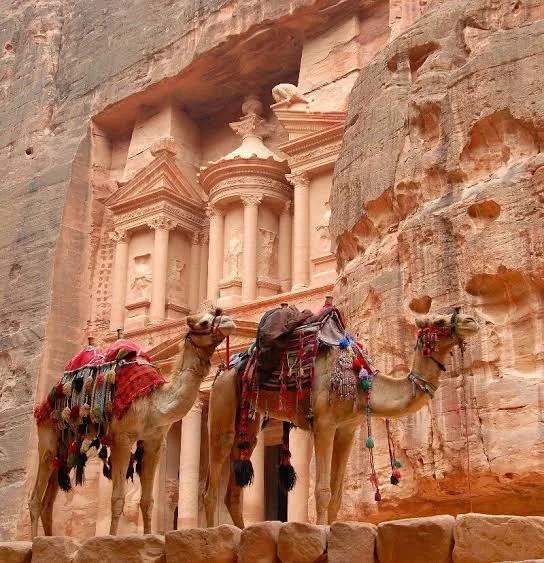
- Petra’s Siq and Treasury
- Royal Tombs
- Wadi Rum
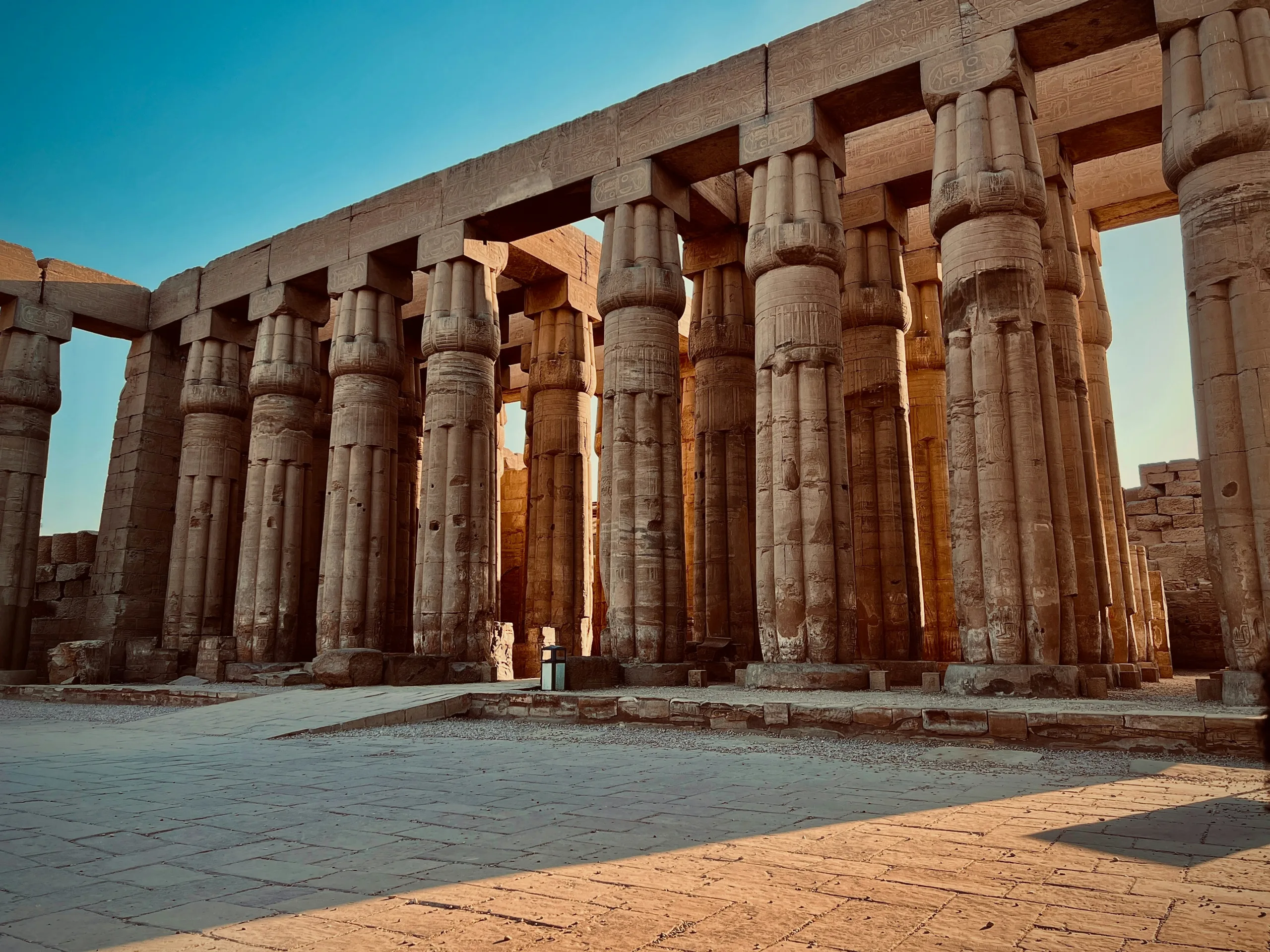
- Luxor Temple
- Karnak Temple
Qué incluye
Incluido
- Tour Inclusions
- Meet-and-assist service at the airports
- Shared sightseeing tours and transfers with other travelers
- Transportation in modern, air-conditioned vehicles
- English-speaking guides during sightseeing tours
- Entrance fees to all attractions listed in the itinerary
- Domestic flight between Luxor and Cairo
- Meals as specified in the itinerary
- Two nights’ accommodation at a 5-star hotel in Cairo, including breakfast
- Three nights’ accommodation at a 5-star hotel in Luxor, including breakfast
- Three nights’ accommodation at a 5-star hotel in Amman, including breakfast
- All service charges and taxes
No incluido
- International airfare
- Egyptian entry visa
- Optional tours
- Personal expenses
- Tips and gratuities
Día a día
-
01 Day 1 – Arrival in Cairo and Nile Dinner Cruise

Upon arrival at Cairo International Airport, a Book Egypt Travel representative will meet you, assist with arrival formalities, and help you identify and collect your luggage. You’ll then transfer by air-conditioned vehicle to your Cairo hotel to check in and relax.
Dinner Cruise on the Nile
In the evening, enjoy dinner aboard a Nile cruise, accompanied by live Egyptian music and traditional performances, including a Tanoura show. After the cruise, return to your hotel.
-
02 Day 2 – Giza Pyramids, Grand Egyptian Museum, and Flight to Luxor

After breakfast and check-out, meet your guide and head to the Giza Plateau.
Giza Pyramids Complex
This celebrated archaeological site is home to the pyramids built for the kings of Egypt’s Fourth Dynasty. Its monumental architecture reflects the power, beliefs, and remarkable building skills of ancient Egypt.
The Great Pyramid of Khufu
Built as the tomb of Pharaoh Khufu, the Great Pyramid is the largest pyramid at Giza and the only surviving wonder of the ancient world. Its scale and precise construction continue to fascinate visitors and researchers.
The Great Sphinx
The Sphinx is a monumental statue with a lion’s body and a human head, traditionally associated with Pharaoh Khafre. Carved from the limestone bedrock, it stands as one of Egypt’s most recognizable ancient monuments.
The Valley Temple
Part of Khafre’s pyramid complex, the Valley Temple was used for royal funerary rituals. Its massive stone blocks and well-preserved interior offer a glimpse into Old Kingdom religious and architectural practices.
Grand Egyptian Museum
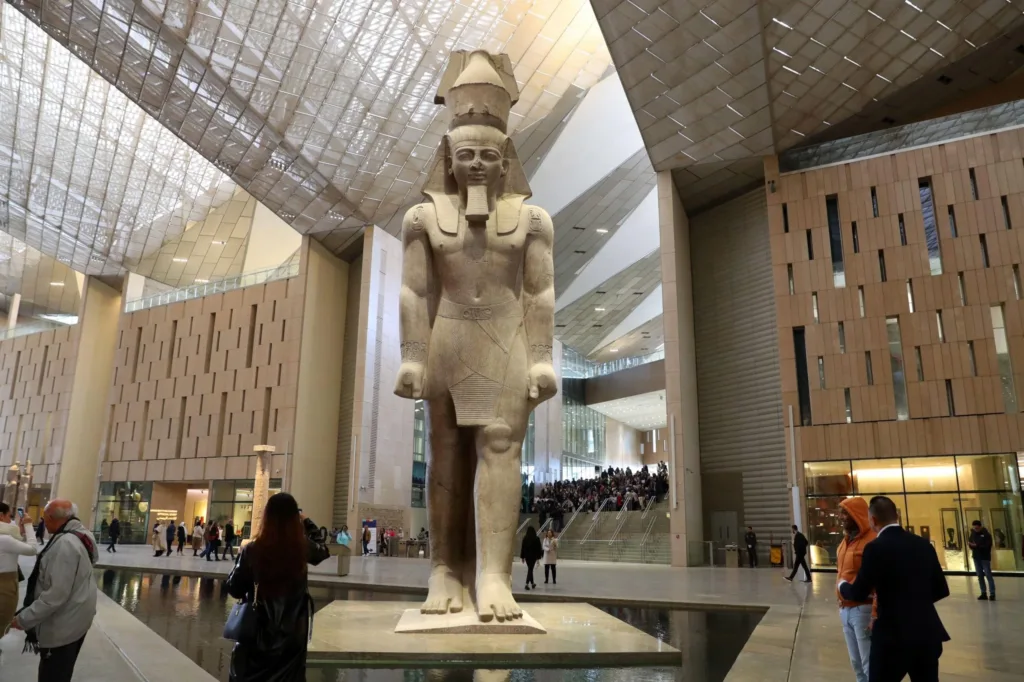
Located near the Giza Plateau, the Grand Egyptian Museum presents artifacts from across Egypt’s history. Its collection includes monumental statues and objects from the tomb of Tutankhamun, displayed in galleries designed to introduce visitors to ancient Egyptian civilization.
Enjoy lunch at a local restaurant before transferring to Cairo International Airport for your flight to Luxor. Upon arrival, transfer to your hotel.
-
03 Day 3 – Karnak Temple and Luxor Temple

After breakfast, explore Luxor’s East Bank.
Karnak Temple
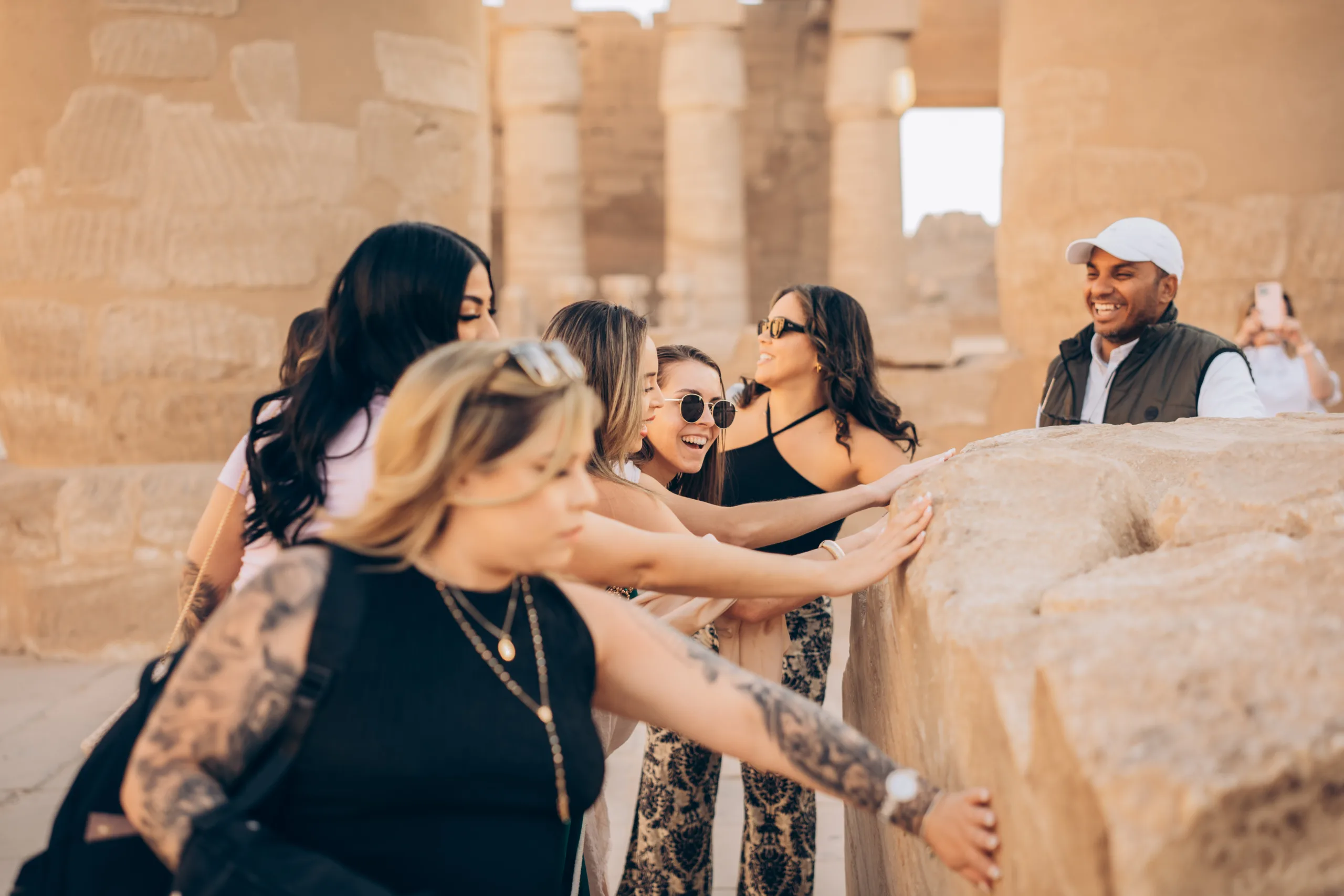
Karnak is one of the largest religious complexes ever built. Developed over many centuries, it was a major center of worship dedicated primarily to the Theban god Amun and his divine family. Its monumental pylons, courtyards, obelisks, and Great Hypostyle Hall reveal the scale of ancient Egyptian religious life.
Enjoy lunch at a local restaurant, then return to your hotel for time to relax before your evening visit.
Luxor Temple by Night
Set in the heart of modern Luxor, Luxor Temple is especially atmospheric after dark. Built mainly during the reign of Amenhotep III and expanded by later rulers, the temple is known for its elegant colonnades, statues, and detailed reliefs. It was closely connected with the annual Opet Festival, which celebrated the renewal of kingship.
Return to your hotel for the night.
-
04 Day 4 – Luxor’s West Bank

After breakfast and check-out, explore the West Bank’s royal tombs and monuments.
Temple of Hatshepsut
Built for Queen Hatshepsut at Deir el-Bahari, this striking temple is set against a dramatic limestone cliff. Its terraces, colonnades, and carved reliefs commemorate the reign of one of Egypt’s most successful female rulers.
Valley of the Kings
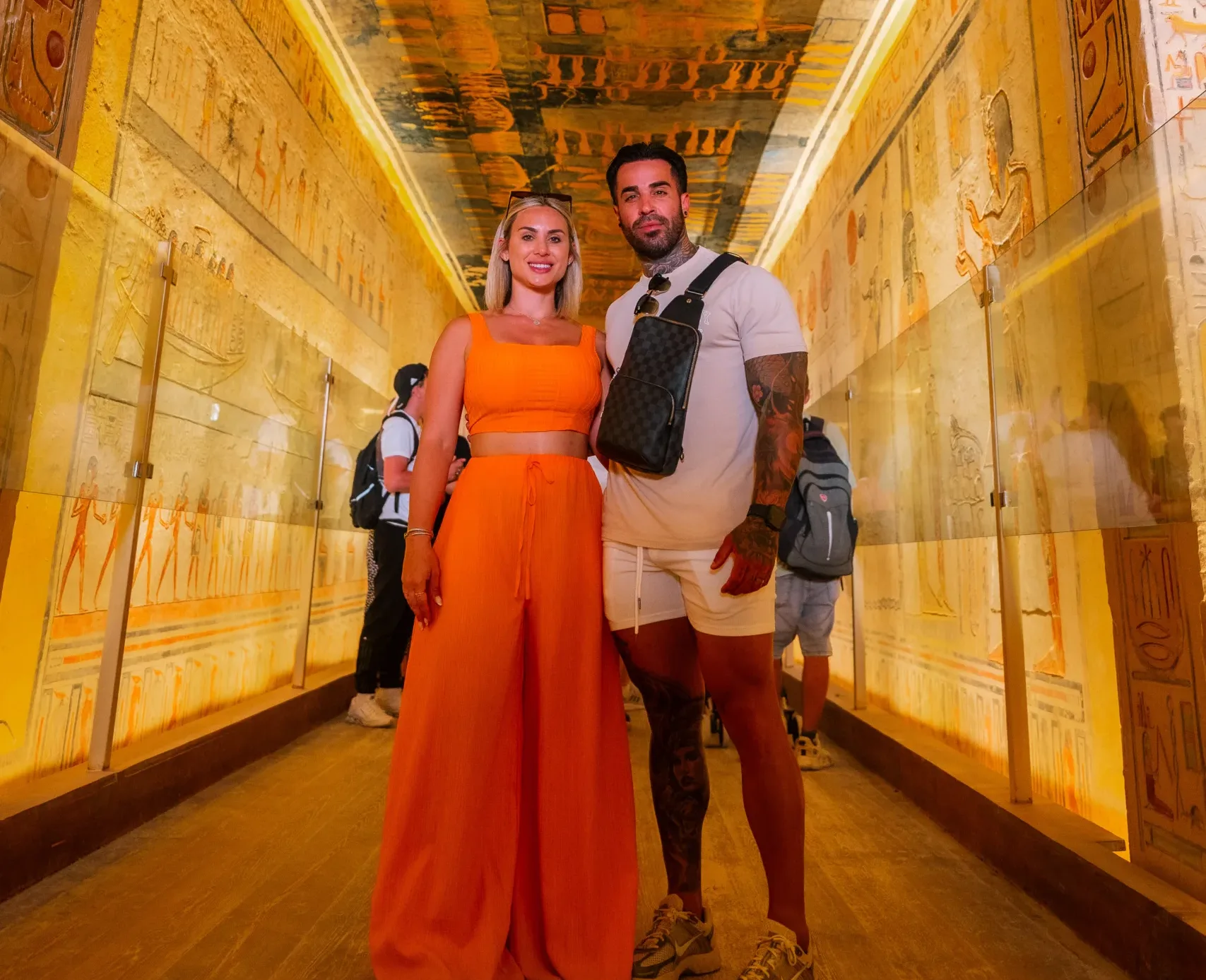
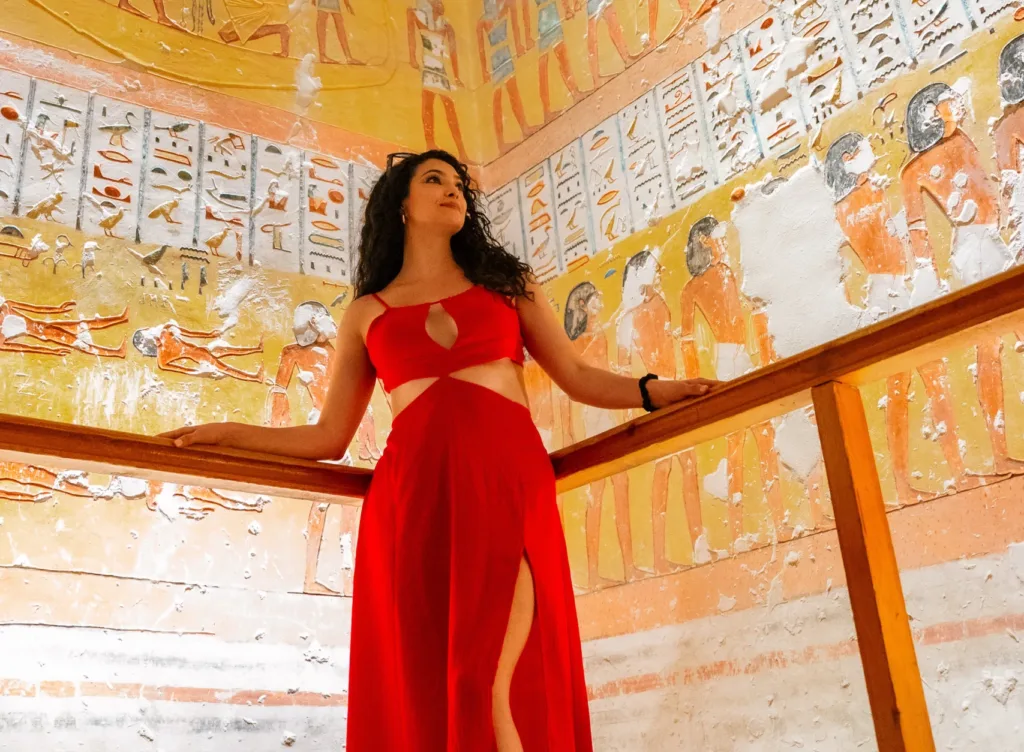
The Valley of the Kings served as a royal burial ground during the New Kingdom. Its tombs were cut into the desert hills and decorated with scenes and texts connected with the pharaohs’ journey to the afterlife. The tombs open to visitors may vary, and some require a separate ticket.
Enjoy lunch at a local restaurant before continuing to the Colossi of Memnon.
Colossi of Memnon
These two monumental statues once stood at the entrance to the mortuary temple of Pharaoh Amenhotep III. Although the temple has largely disappeared, the statues remain an impressive landmark on Luxor’s West Bank.
Return to your Luxor hotel.
-
05 Day 5 – Flight to Cairo and Historic Cairo

After breakfast, check out and transfer to Luxor Airport for your flight to Cairo. Upon arrival, meet your guide and explore historic Cairo.
The Hanging Church
Also known as the Church of the Virgin Mary, the Hanging Church is built above the southern gatehouse of the Roman Fortress of Babylon. Its interior features icons, a timbered ceiling, and decorative details reflecting centuries of Coptic Christian tradition.
Ben Ezra Synagogue
Ben Ezra is a historic synagogue in Old Cairo, associated with the Cairo Geniza, a remarkable collection of Jewish manuscripts and documents. The site reflects the area’s long and diverse religious history.
National Museum of Egyptian Civilization
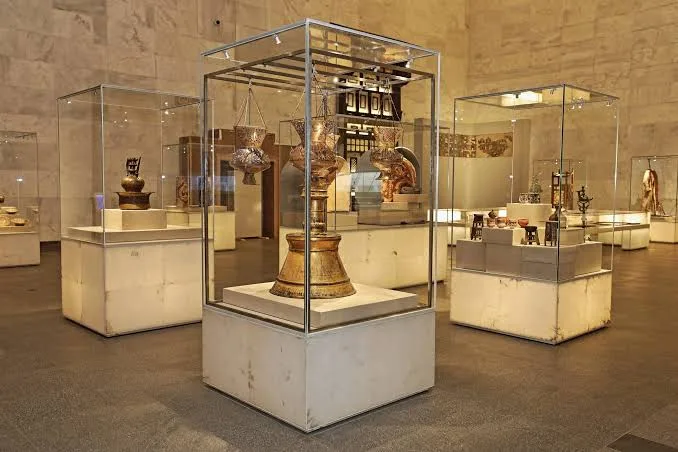
The National Museum of Egyptian Civilization traces Egypt’s story from prehistoric times to the present. Its galleries explore different periods of Egyptian life, while the Royal Mummies Hall displays the remains of several ancient rulers.
Al-Muizz Street
Al-Muizz Street is a historic thoroughfare lined with mosques, schools, gates, and other examples of Islamic architecture. Its buildings offer a vivid sense of Cairo’s medieval history.
Khan El Khalili Bazaar
This historic market is known for its lively lanes and shops selling souvenirs, spices, jewelry, textiles, and traditional crafts. It’s also a popular place to stop for tea at a classic Cairo café.
After sightseeing, transfer to your Cairo hotel.
-
06 Day 6 – Cairo to Amman

After breakfast, check out and transfer to Cairo International Airport for your flight to Amman. Upon arrival at Queen Alia International Airport, a Book Egypt Travel representative will meet you and assist with arrival formalities and luggage. You’ll then transfer by private vehicle to your hotel in Amman.
-
07 Day 7 – Madaba, Mount Nebo, and the Dead Sea

After breakfast, meet your driver and travel to Madaba.
St. George’s Church and the Madaba Map
St. George’s Greek Orthodox Church is home to the famous sixth-century mosaic map of the Holy Land. Though parts of the mosaic are missing, it remains an important example of early Christian art and offers a fascinating view of biblical geography.
Mount Nebo
Mount Nebo is traditionally associated with the biblical account of Moses viewing the Promised Land. From the summit, enjoy panoramic views across the Jordan Valley and, on clear days, toward the hills around Jerusalem.
The Dead Sea
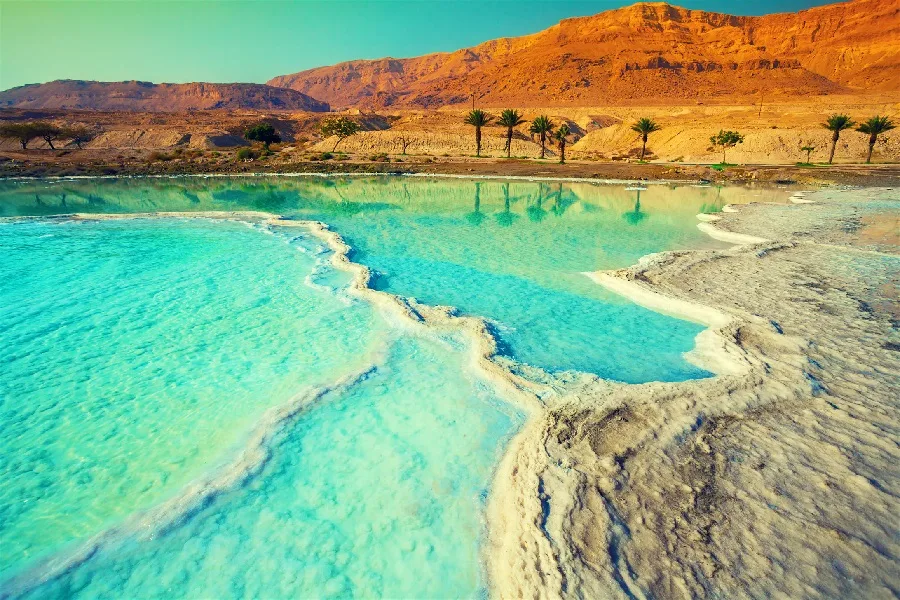
The Dead Sea is known for its exceptionally salty water and its location at the lowest elevation on Earth’s surface. Take time by the shore and, if conditions allow, experience floating in the mineral-rich water.
Enjoy lunch at a local restaurant, then continue to Petra and check in to your hotel.
-
08 Day 8 – Petra and Wadi Rum
After breakfast and check-out, explore Petra with your local guide.

Petra
Petra was the capital of the Nabataean Kingdom and is renowned for its rose-colored sandstone monuments. Its temples, tombs, and water systems reflect the skill and influence of the Nabataeans.
The Siq
The Siq is a narrow, winding gorge that forms the main entrance to Petra. Its high rock walls open onto the city’s most famous monument.
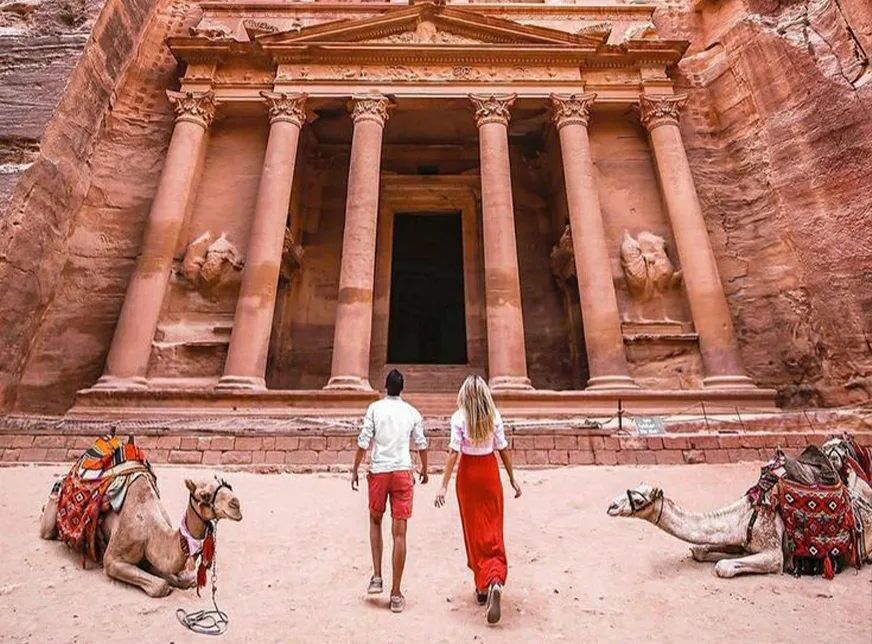
Al-Khazneh (The Treasury)
The Treasury is Petra’s most recognized façade, carved into the sandstone cliff in the first century AD. Despite its name, it is generally believed to have served as a tomb or temple.
The Royal Tombs
Carved into Petra’s eastern cliffs, the Royal Tombs form an impressive group of burial façades. Their varied designs and weathered colors offer insight into Nabataean funerary architecture.
The Roman Theatre
The theatre was first built by the Nabataeans and later modified during the Roman period. Carved partly into the rock, it could accommodate a large audience for performances and public gatherings.
Qasr al-Bint
Qasr al-Bint is one of Petra’s principal temples and one of the few major structures in the city built as a freestanding monument. Its surviving stonework gives visitors a sense of the religious architecture that once stood in Petra’s center.
After your visit, travel to Wadi Rum and enjoy dinner at a Bedouin camp.
Wadi Rum
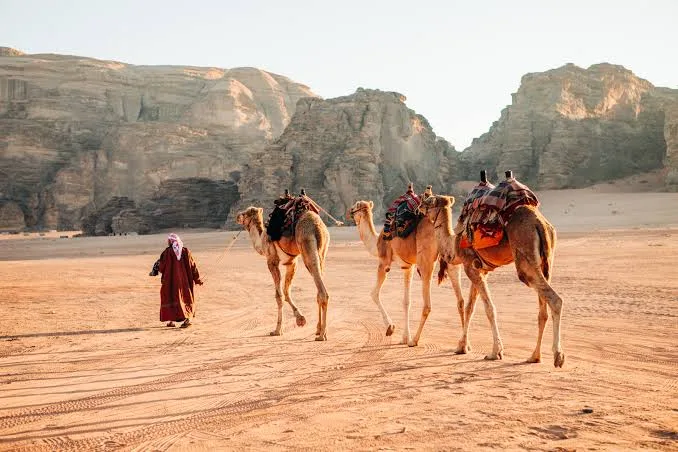
Known as the “Valley of the Moon,” Wadi Rum is a vast desert landscape of red sand, sandstone cliffs, and striking rock formations. Its natural scenery and archaeological remains tell the story of human life and travel across the region.
-
09 Day 9 – Wadi Rum Safari and Departure
After breakfast, set out on a 4–5-hour 4x4 safari through Wadi Rum’s desert landscape. Explore the area’s rock formations and historic sites, including:
Um Frouth Rock Bridge
This natural rock arch is a well-known landmark in Wadi Rum. Visitors can climb it for views of the surrounding desert; the ascent involves uneven terrain.
Little Bridge
A smaller natural rock arch set among Wadi Rum’s sandstone formations, Little Bridge is a scenic stop during the desert safari.
Burdah Arch
Burdah Arch is a striking natural rock bridge high in the mountains. Reaching it on foot requires a strenuous climb, so your visit will depend on the safari route and conditions.
Nabataean Temple
The remains of this temple reflect Wadi Rum’s historical connections to Nabataean trade routes. Its stonework and inscriptions provide evidence of the region’s ancient communities.
Lawrence Spring
Lawrence Spring is a natural water source associated with T. E. Lawrence, who travelled through Wadi Rum during the Arab Revolt. The spring has long served as a source of water in the desert.
Khazali Canyon
Khazali Canyon is a narrow gorge known for inscriptions and carvings on its rock walls. These markings offer a glimpse into the people who travelled through and lived in the region over many centuries.
After the safari, transfer to Amman or Queen Alia International Airport for your departure.
Disponibilidad
Este tour sale los siguientes días. Envíanos tu fecha preferida y te confirmaremos la disponibilidad.
- Everyday
Ocupación de habitaciones y camarotes y suplemento individual
- Todos los precios de los tours se basan en dos personas que comparten una habitación o camarote doble, salvo que se indique lo contrario.
- Los clientes que soliciten una habitación o camarote privado deberán pagar un suplemento individual.
- En los cruceros por el Nilo, el suplemento por camarote individual suele ser un 70 % adicional sobre la tarifa por persona en camarote doble.
- Los suplementos por habitación individual en hoteles varían según el hotel, las fechas de viaje, la disponibilidad y la temporada.
- Las habitaciones y camarotes individuales están sujetos a disponibilidad y confirmación final.
- El suplemento individual exacto se indicará claramente en tu cotización y confirmación de reserva.
- Si un viajero cancela y el otro ocupa solo la habitación o el camarote, el suplemento individual aplicable podrá añadirse a la reserva.
Al confirmar tu reserva, aceptas las condiciones aplicables de ocupación de habitación o camarote y de suplemento individual.
Leer la política completa de reserva, pago y cancelaciónLos suplementos individuales pueden variar según el proveedor y siempre se confirman antes del pago.
Preguntas frecuentes
¿Qué debo usar en un crucero por el Nilo en Egipto?
Al realizar un crucero por el río Nilo en Egipto, es esencial vestirse tanto para el clima cálido como para la cultura local. La ropa ligera y transpirable es ideal para la comodidad durante el día, pero se recomienda una vestimenta modesta, especialmente durante las excursiones en tierra. Las mujeres deben evitar los pantalones cortos, la ropa transparente o los trajes de baño cuando estén fuera del crucero, y tanto hombres como mujeres deben cubrirse las piernas y la parte superior de los brazos al visitar mezquitas o lugares religiosos. Los trajes de baño son aceptables a bordo del crucero, pero no son apropiados en espacios públicos en tierra. Vestirse con respeto garantiza una experiencia de viaje fluida y culturalmente sensible.
¿Cuál es la mejor época para un crucero por el río Nilo en Egipto?
La mejor época para disfrutar de un crucero por el río Nilo en Egipto es entre finales de octubre y mediados de abril, cuando el clima es agradablemente templado e ideal para hacer turismo. Este período ofrece el clima más cómodo para explorar templos antiguos y navegar por el Nilo sin el intenso calor del verano. Sin embargo, tenga en cuenta que la Navidad y la Semana Santa se consideran temporadas altas, con precios más elevados y una mayor demanda. Para disfrutar de una experiencia de crucero por el Nilo mágica y asequible, lo mejor es planificar evitando estas festividades; y con nuestros paquetes personalizados, siempre obtendrá el mejor valor, sin importar la temporada.
¿Cuáles son los mejores precios para un crucero por el río Nilo en Egipto?
Navegar por el río Nilo es una de las experiencias de viaje más inolvidables de Egipto, y existe una variedad de opciones de cruceros por el Nilo para adaptarse a cada presupuesto. Las categorías más populares y recomendadas son los cruceros por el Nilo de 5 estrellas y 5 estrellas High Deluxe, que ofrecen un confort lujoso, visitas guiadas y servicios de primer nivel. Los precios varían según el tipo de crucero, las instalaciones y la temporada de viaje, especialmente durante las temporadas altas como Navidad y Semana Santa, cuando las tarifas son más elevadas. Para obtener los mejores precios en cruceros por el río Nilo y ofertas exclusivas, explore nuestros paquetes seleccionados cuidadosamente, diseñados para ofrecerle el equilibrio perfecto entre calidad y valor.
¿Cuáles son los tipos de cruceros por el río Nilo en Egipto?
Hay dos tipos principales de cruceros por el río Nilo en Egipto para elegir, dependiendo de su estilo de viaje y preferencias. El primero es el crucero privado en Dahabiya por el Nilo, un velero tradicional que ofrece una experiencia íntima con alrededor de 8 a 10 camarotes de lujo, ideal para grupos pequeños o parejas que buscan privacidad y elegancia. La segunda opción, y la más común, es el crucero estándar de gran tamaño por el Nilo, que normalmente cuenta con 100 a 150 camarotes, comodidades modernas, entretenimiento y excursiones guiadas. Ambas opciones ofrecen viajes inolvidables a lo largo del Nilo, con la comodidad y el descubrimiento cultural como eje central.
¿Cuáles son las instalaciones en un crucero por el río Nilo?
Un crucero de lujo por el río Nilo en Egipto es esencialmente un hotel flotante totalmente equipado, que ofrece toda la comodidad y las comodidades que esperaría de un resort de 5 estrellas. Las instalaciones a bordo suelen incluir una cubierta con vistas panorámicas, una piscina cubierta, spa y centro de belleza, restaurante, bar salón, discoteca e incluso tiendas de regalos. Los huéspedes también pueden disfrutar de servicios como lavandería, una caja fuerte y una variedad de opciones de entretenimiento, lo que garantiza un viaje relajante y agradable mientras navega entre los monumentos antiguos más emblemáticos de Egipto.
¿Cuáles son las principales atracciones para visitar en un crucero por el río Nilo?
Un crucero por el río Nilo entre Luxor y Asuán (o viceversa) ofrece a los viajeros la oportunidad de explorar algunas de las atracciones antiguas más icónicas de Egipto. Los puntos destacados incluyen el magnífico Complejo de Templos de Karnak, las tumbas reales en el Valle de los Reyes, el elegante Templo de Hatshepsut y el bien conservado Templo de Edfu dedicado a Horus. También visitará el singular Templo de Kom Ombo, el encantador Templo de File de Isis y el impresionante Obelisco Inacabado en Asuán. Estos monumentos reflejan el glorioso pasado de Egipto y hacen de un crucero por el Nilo un viaje verdaderamente inolvidable a través de la historia.
¿Cuáles son las mejores actividades para hacer en Egipto?
Egipto ofrece una increíble variedad de actividades para cada viajero. Una de las mejores experiencias es navegar en un crucero por el río Nilo entre Luxor y Asuán, explorando templos antiguos a lo largo del camino. Para vistas impresionantes, disfrute de un paseo en globo aerostático sobre Luxor o de pintorescos recorridos aéreos en avión. Sumérjase en los ricos sabores de Egipto probando la auténtica cocina egipcia y comprando en las bulliciosas calles del Viejo Cairo. Para los amantes de la aventura, el esnórquel y el buceo en el Mar Rojo, especialmente en complejos turísticos como Hurghada, ofrecen un vistazo a la vibrante vida marina. No pierda la oportunidad de embarcarse en un safari por el desierto en el Desierto Occidental, donde podrá experimentar la magia de los paisajes de Egipto bajo cielos llenos de estrellas.
¿Cuáles son los festivales y días festivos de Egipto?
Egipto celebra una variedad de días festivos y festivales, tanto religiosos como nacionales. Entre los más significativos se encuentran el mes sagrado del Ramadán, un tiempo de ayuno y reflexión espiritual para los musulmanes, que termina con la alegre celebración de Eid al-Fitr. Otras festividades importantes incluyen Eid al-Adha, el Año Nuevo Islámico y Mawlid al-Nabi (el cumpleaños del Profeta). En el aspecto nacional y cultural, la Navidad (7 de enero), la Nochevieja, el Día de la Revolución (23 de julio) y el Día de la Liberación del Sinaí (25 de abril) son ampliamente observados. Estos festivales ofrecen a los visitantes una rica experiencia cultural y una mirada más profunda al patrimonio de Egipto.
¿Es seguro hacer un tour en Egipto en este momento?
Egipto ofrece una amplia gama de tours que se adaptan a cada estilo de viaje, interés y presupuesto. Algunas de las opciones más populares incluyen un tour de 6 días que cubre El Cairo, Luxor, Asuán y Abu Simbel; un paquete de 8 días que explora El Cairo, Luxor, Abu Simbel y Hurghada; un viaje de 9 días que combina El Cairo, un crucero por el Nilo y Alejandría; y un tour de 10 días que incluye El Cairo, Asuán, Luxor y Hurghada. Ya sea que le atraiga la historia antigua, los lugares de interés cultural o relajarse junto al Mar Rojo, hay un tour perfectamente diseñado para usted.
¿Cuánto cuesta un viaje a Egipto?
Los precios de los tours en Egipto varían según la duración, la comodidad y lo que incluyan. Los tours económicos comienzan alrededor de $600–$900 USD por una semana, los paquetes de gama media oscilan entre $1,000–$1,800 y los tours de lujo pueden superar los $2,000 USD. Los precios generalmente incluyen hoteles, visitas guiadas y transporte nacional, pero no vuelos internacionales.
¿Cuáles son los requisitos de visado para Egipto?
Para visitar Egipto, la mayoría de los viajeros necesitan un visado. Los ciudadanos de más de 180 países, incluidos EE. UU., Reino Unido, Canadá y las naciones de la UE, pueden solicitar un visado de turista de 30 días. Este se puede obtener en línea a través del portal oficial de eVisa de Egipto o a su llegada a los aeropuertos egipcios por una tarifa de aproximadamente 25 USD. Sin embargo, los viajeros que se dirijan a los complejos turísticos de Sharm El Sheikh, Dahab, Nuweiba o Taba pueden entrar sin visado hasta por 15 días, aquí está el www.visa2egypt.gov.eg
¿Cuánto tiempo debe ser válido mi pasaporte para viajar a Egipto?
Validez del pasaporte: Asegúrese de que su pasaporte sea válido por al menos 6 meses a partir de la fecha prevista de llegada a Egipto.
¿Qué necesito empacar para mi viaje a Egipto?
Necesitarás empacar ropa ligera y transpirable, un sombrero, gafas de sol, protector solar, zapatos cómodos para caminar, una botella de agua reutilizable, una bufanda o chal (para el sol y las visitas a los templos) y un botiquín de primeros auxilios básico. No olvides tu pasaporte, documentos de viaje y cualquier medicamento personal.
¿Cuál es la mejor época para visitar Egipto?
La mejor época para visitar Egipto es durante los meses más frescos, de octubre a abril, cuando las temperaturas son suaves y cómodas para hacer turismo. Evite los meses pico de verano (de junio a agosto), ya que puede hacer mucho calor, especialmente en las regiones desérticas y del sur.
Opiniones reales, viajeros reales
Opiniones de Book Egypt Travel
Opiniones verificadas de huéspedes de toda la web: las palabras son exactamente lo que escribieron nuestros viajeros.
Explora más