14-Day Egypt and Jordan Tour: Cairo, Alexandria,Petra & Wadi Rum

Good to know
- Duration 14 days
- Group size 2–10
- Languages English, France, Germany, Italy
- Departs Everyday
- Start times 8:00 am
- Meeting point Cairo
Overview
Step into the history, culture, and striking landscapes of North Africa and the Middle East on this 14-day Egypt and Jordan tour with Book Egypt Travel. Begin in Cairo at the legendary Pyramids of Giza and the Great Sphinx, then explore the treasures of the Grand Egyptian Museum and the historic streets and landmarks of Old Cairo. Travel to Alexandria to discover its distinctive blend of Egyptian, Greek, and Roman heritage, then continue south to Luxor and Aswan, where magnificent temples, royal tombs, and ancient monuments reveal the stories of Egypt’s pharaohs. Visit Abu Simbel, one of the country’s most remarkable archaeological sites, before flying to Amman to begin your Jordan adventure. Explore the Roman city of Jerash, historic Madaba, Mount Nebo, and the remarkable rock-carved monuments of Petra. A 4×4 Jeep excursion through Wadi Rum’s desert scenery and time beside the Dead Sea add memorable experiences to this diverse journey. With private guided sightseeing, comfortable hotel stays, transfers, domestic flights, and a VIP train journey included as outlined in the package, Book Egypt Travel brings together the highlights of Egypt and Jordan in one carefully planned vacation.
Highlights
- Giza Pyramids and the Great Sphinx
- Grand Egyptian Museum
- Alexandria
- Karnak Temple
- Luxor Temple
- Valley of the Kings
- Hatshepsut Temple and Colossi of Memnon
- Aswan
- Abu Simbel
- Historic Cairo
- Amman
- Salt
- Jerash and Ajloun Castle
- Mount Nebo,
- Madaba,
- Bethany,
- Shobak,
- Petra,
- Wadi Rum
- the Dead Sea
What’s included
Included
- 4 nights in a 5-star hotel in Cairo
- 2 nights in a 5-star hotel in Luxor
- 2 nights in a 5-star hotel in Aswan
- 2 nights in Amman at Golden Tulip Hotel or Sulaf Hotel, on a half-board basis
- 1 night at Petra Elite Hotel, on a half-board basis
- 1 night at Mazayen Luxury Camp in Wadi Rum, on a half-board basis
- 1 night at Crowne Plaza Dead Sea Hotel, on a half-board basis
- Meet-and-assist service at the listed airports in Egypt and Jordan.
- Private transfers in air-conditioned vehicles throughout the tour.
- English-speaking driver in Jordan.
- Professional Egyptologist guide during the Egypt tours.
- Private professional Spanish-speaking guide for four days of Jordan touring.
- Entrance fees to the historical sites listed in the itinerary.
- Domestic flight from Cairo to Luxor.
- Domestic flight from Aswan to Cairo.
- VIP train ticket from Luxor to Aswan.
- Collective Jordan visa, subject to eligibility and applicable conditions.
- Two-hour 4×4 Jeep tour in Wadi Rum.
- Access to the Crowne Plaza Dead Sea beach.
- Applicable Egypt service charges and taxes.
Not included
- nternational airfare, including the flight from Cairo to Amman.
- Egypt entry visa.
- Lunches.
- Tips and porterage.
- Petra by Night, available Sunday through Thursday for US$50 per person, including transfers.
- Any service not specifically listed as included.
- Optional lunch: US$15 per person per lunch at a local restaurant.
Day by day
-
01 Day 1 – Arrival in Cairo

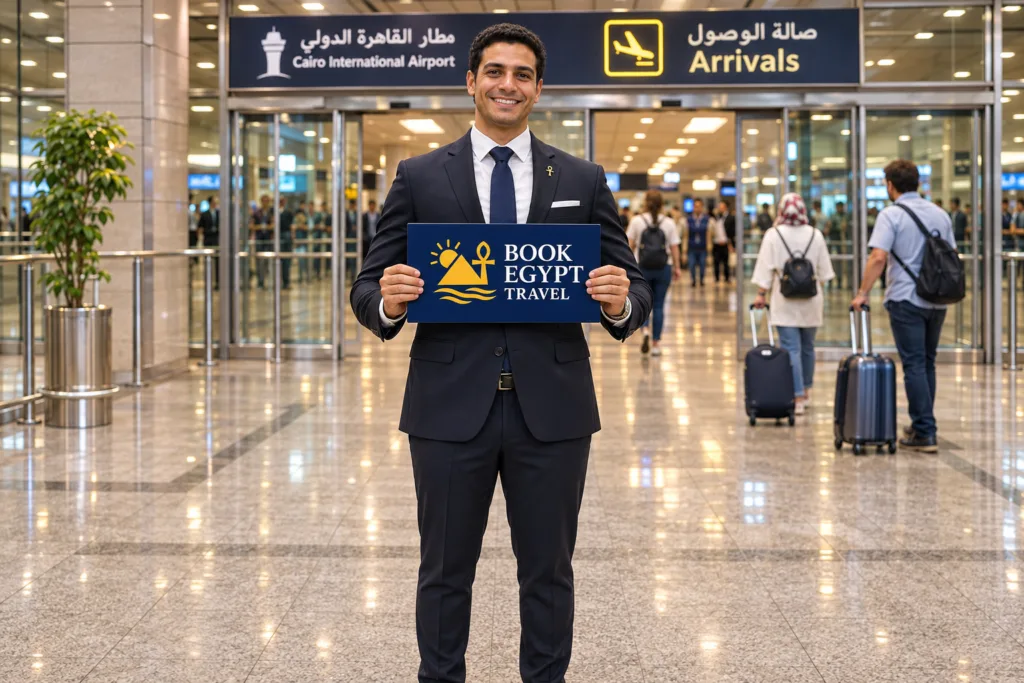
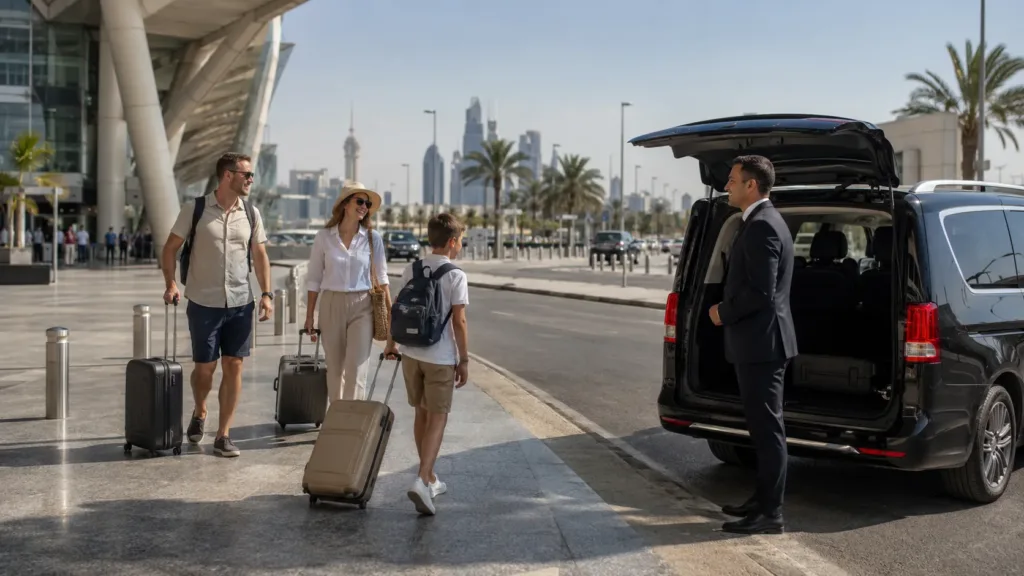
Arrive at Cairo International Airport, where our representative will meet and assist you with airport formalities and luggage. Transfer by private, air-conditioned vehicle to your 5-star hotel. Overnight in Cairo.
-
02 Day 2 – Giza Pyramids, Grand Egyptian Museum, and Flight to Luxor

After breakfast, meet your private Egyptologist guide and travel to the Giza Plateau.
Giza Pyramids Complex
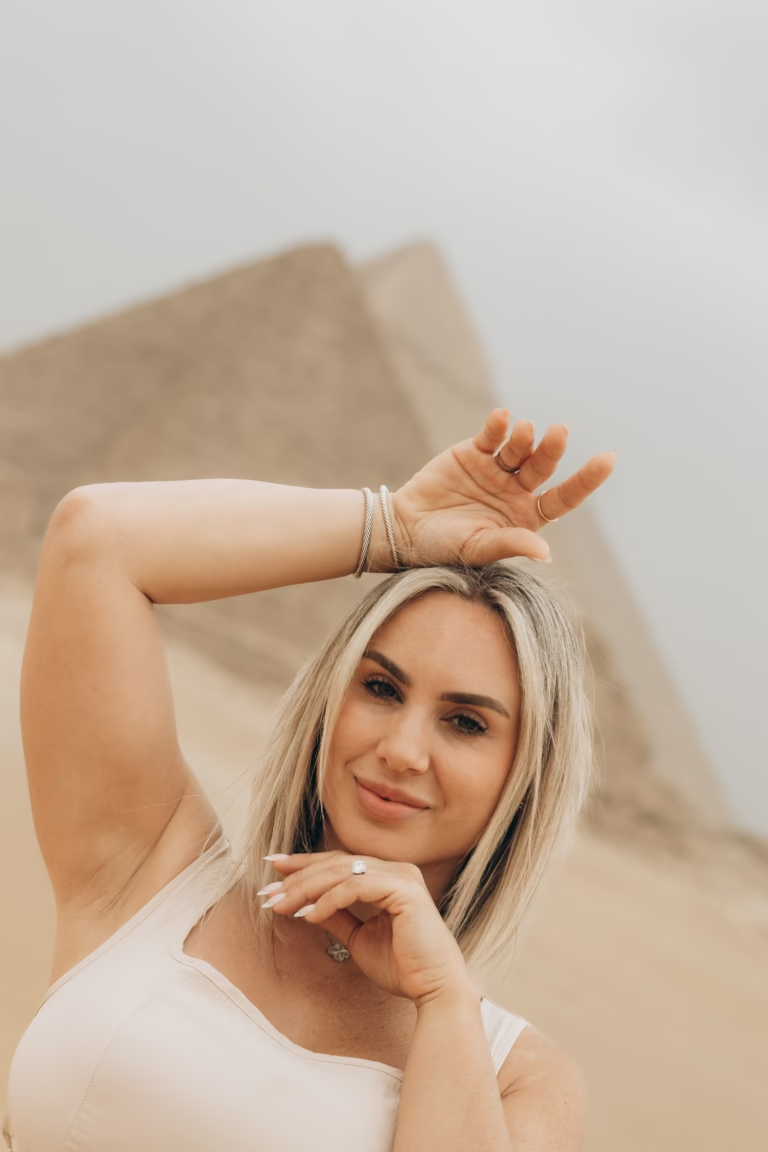
Explore the plateau that served as a royal burial ground during Egypt’s Fourth Dynasty. The three main pyramids were built for the pharaohs Khufu, Khafre, and Menkaure, and the surrounding area includes temples, causeways, and smaller tombs.
The Great Pyramid
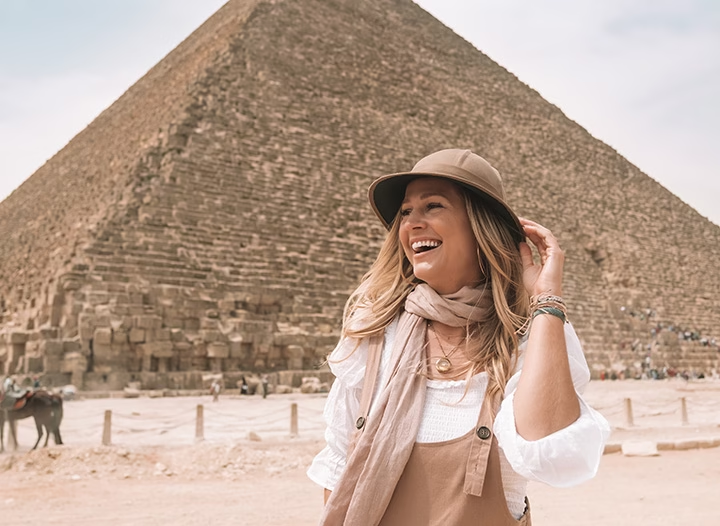
Built for Pharaoh Khufu, this is the largest pyramid at Giza and the only surviving wonder of the ancient world. Its immense scale and precise stone construction offer a remarkable example of ancient engineering.
Valley Temple
This large stone temple is associated with the Pyramid of Khafre and was used as part of the pharaoh’s funerary complex. Its massive limestone and granite blocks and well-preserved interior give a sense of the monument’s original scale.
The Great Sphinx
Carved from the natural bedrock, the Sphinx has a lion’s body and a human face. It stands beside the pyramid complex and has become one of Egypt’s most recognizable ancient monuments.Grand Egyptian Museum
Located near the Giza Plateau, the museum presents ancient Egyptian history through artifacts, statues, and large-scale displays. Its modern galleries and monumental spaces provide context for the sites you visit during your trip.
Transfer to Cairo Airport for your domestic flight to Luxor. On arrival, meet your representative and transfer to your hotel. Overnight in Luxor.
-
03 Day 3 – Karnak Temple and Luxor Temple

After breakfast, visit:
Karnak Temple Complex
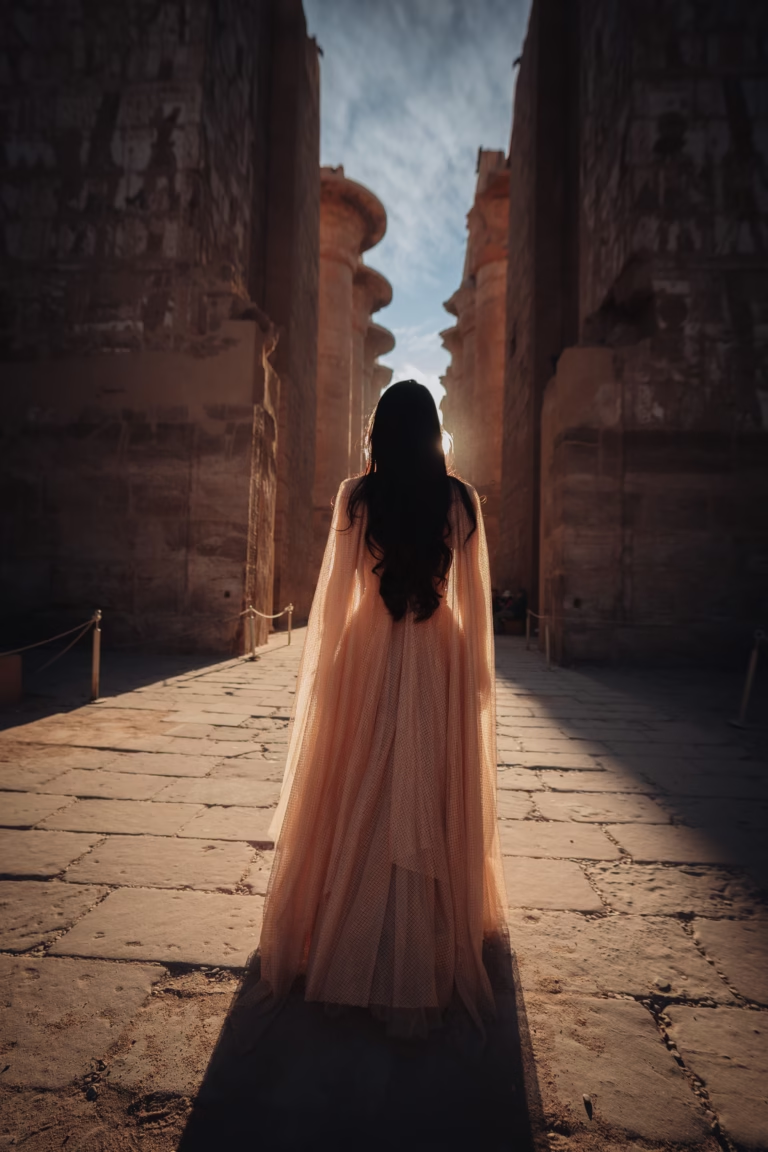
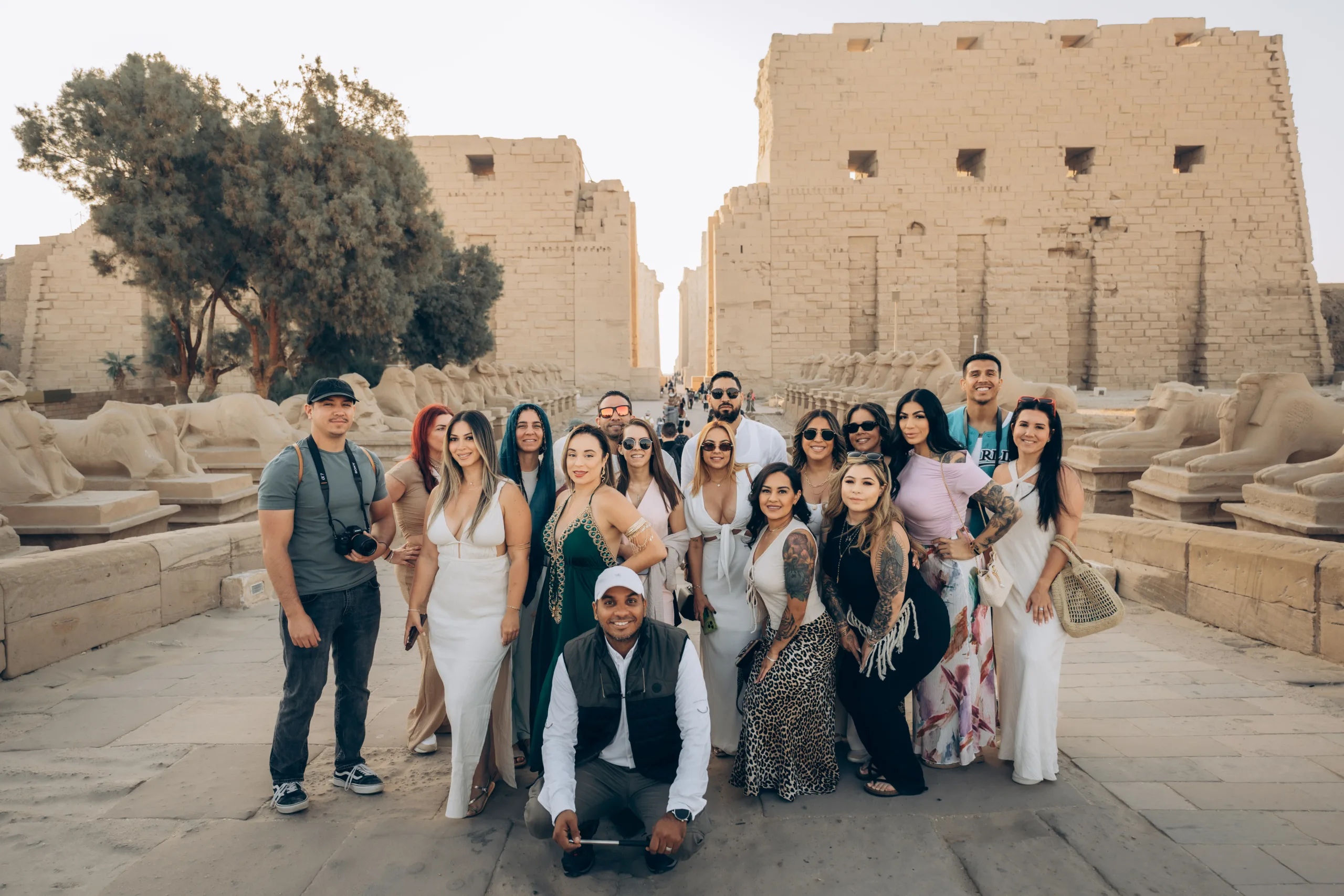
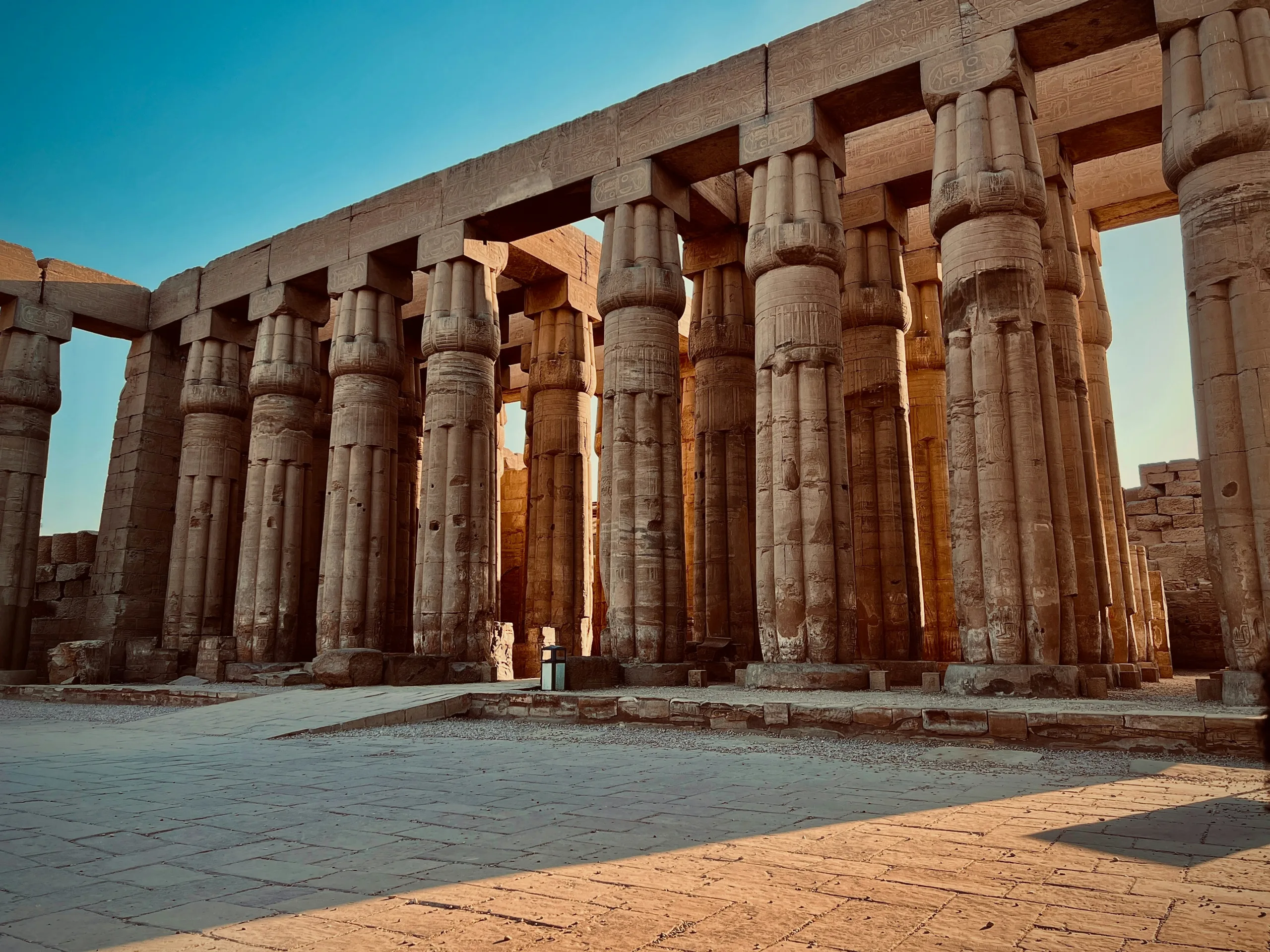
Karnak is a vast religious complex that was expanded by many generations of pharaohs. Explore its monumental gateways, open courtyards, sacred lake, and the Great Hypostyle Hall, where rows of towering columns are decorated with carved reliefs.
after Karnak you will transfer to the local restaurant to eat Lunch then
Luxor Temple
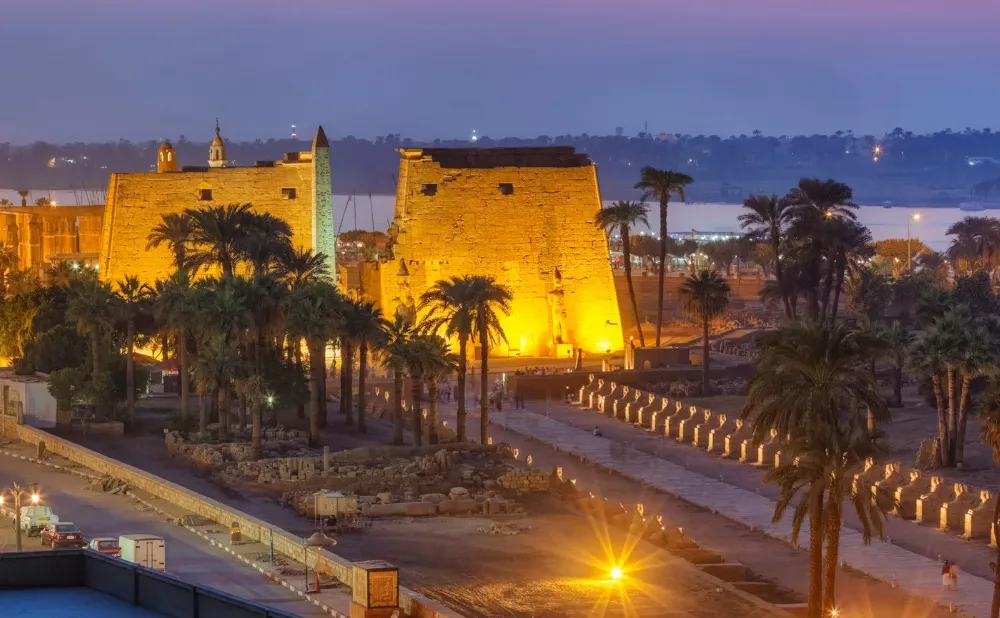
Set in the center of modern Luxor, this temple was closely connected with royal ceremonies and the ancient Opet Festival. Its statues, columned courtyards, and illuminated stonework make it particularly atmospheric after dark.
Overnight in Luxor.
-
04 Day 4 – Luxor West Bank and VIP Train to Aswan

After breakfast, explore the West Bank of Luxor.
Valley of the Kings
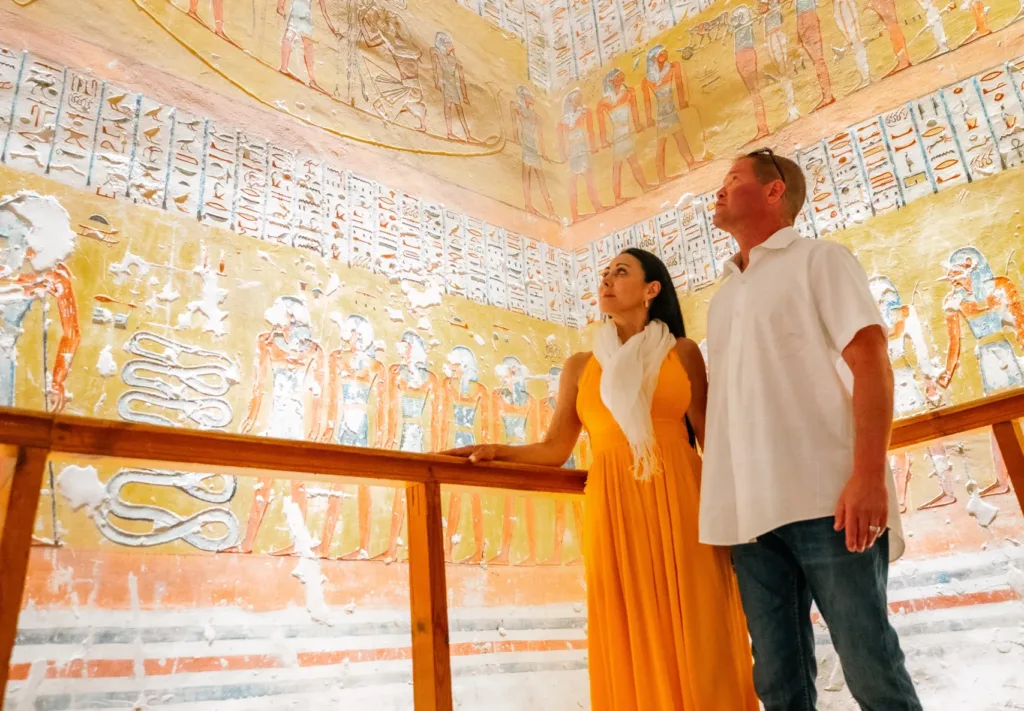
The valley served as a royal burial ground during the New Kingdom. Visit selected tombs cut deep into the hills, where painted walls and hieroglyphic texts describe the pharaohs’ journey into the afterlife. The tombs open to visitors can vary.
Mortuary Temple of Hatshepsut
Built for Queen Hatshepsut at Deir el-Bahari, this temple is arranged in broad terraces against a dramatic limestone cliff. Its reliefs tell stories about the queen’s reign, including her famous trading expedition to Punt.
you will stop for Lunch Break
Colossi of Memnon
These two enormous seated statues once stood at the entrance to the mortuary temple of Pharaoh Amenhotep III. Although the temple itself is mostly in ruins, the statues remain prominent landmarks on Luxor’s West Bank.
After lunch, transfer to Luxor railway station for the VIP train to Aswan. On arrival, meet your representative and transfer to your hotel. Overnight in Aswan.
-
05 Day 5 – Aswan Sightseeing
After breakfast, visit:
Philae Temple
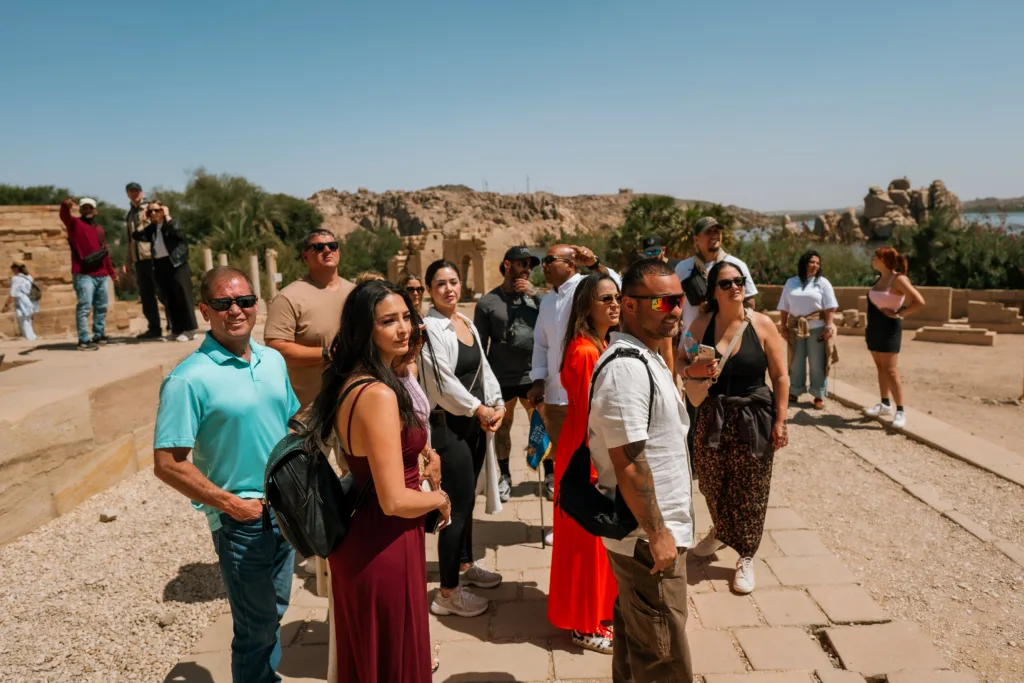
Dedicated mainly to the goddess Isis, Philae is known for its courtyards, columns, and carved scenes. The temple complex was moved to Agilkia Island to protect it from rising waters after the construction of the High Dam.
you will stop for a lunch break
Unfinished Obelisk
This enormous obelisk remains attached to the granite quarry where it was carved. A crack in the stone led workers to abandon it, leaving visitors able to see the scale and methods involved in shaping such monuments.
Aswan High Dam
The dam controls the Nile’s flow and created Lake Nasser, one of the world’s largest artificial lakes. From the site, you can see the reservoir and learn how the dam changed water management in Egypt.
Overnight in Aswan.
-
06 Day 6 – Abu Simbel and Flight to Cairo

Travel to Abu Simbel to visit:
Abu Simbel Temples
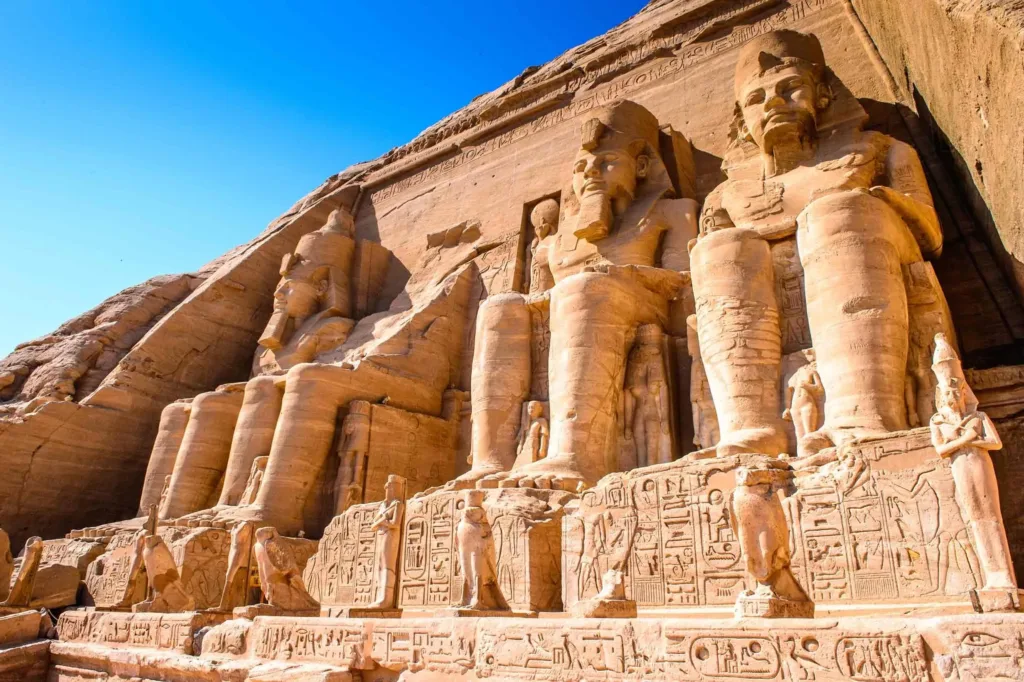
Pharaoh Ramses II ordered these two temples to be carved into the rock at the edge of Nubia. The Great Temple is famous for its four colossal statues at the entrance, while the smaller temple is dedicated to Queen Nefertari and the goddess Hathor. Both temples were relocated to protect them from the rising waters of Lake Nasser.
you will stop for Lunch before you head to the airport.
Transfer to Aswan Airport for your domestic flight to Cairo. On arrival, transfer to your hotel. Overnight in Cairo.
-
07 Day 7 – Alexandria

Travel to Alexandria for a guided visit to:
Catacombs of Kom El Shoqafa
Descend into an underground burial complex that combines Egyptian, Greek, and Roman artistic influences. Its chambers, stairways, and carved decorations show how different cultures shaped the city’s history.
Pompey’s Pillar
This tall granite column stands among the ruins of the ancient Serapeum. Despite its name, it is not connected to the Roman general Pompey; it was erected during the Roman period.
Citadel of Qaitbay
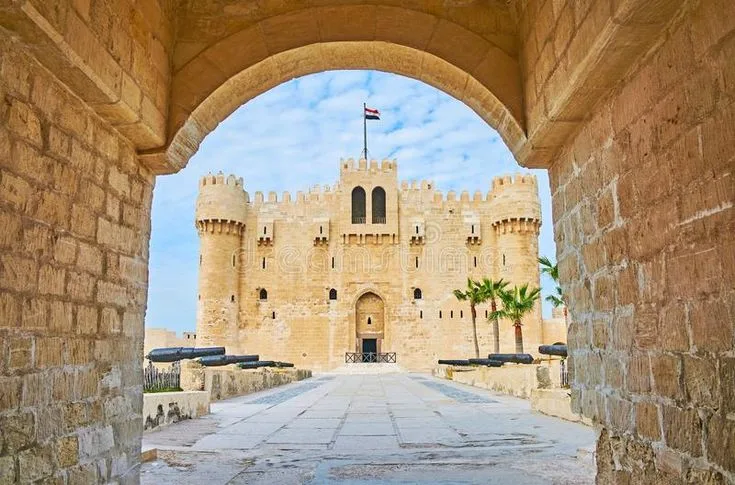
Built in the 15th century on Alexandria’s harbor, this fortress was designed to defend the coast. Its location is traditionally associated with the site of the ancient Lighthouse of Alexandria.
Bibliotheca Alexandrina
The modern library and cultural center honors Alexandria’s ancient library and its history as a center of learning. Its distinctive circular design stands beside the Mediterranean.
you will stop for Lunch before returing to Cairo
Return to Cairo. Overnight in Cairo.
-
08 Day 8 – Cairo Museum and Historic Cairo

After breakfast, visit:
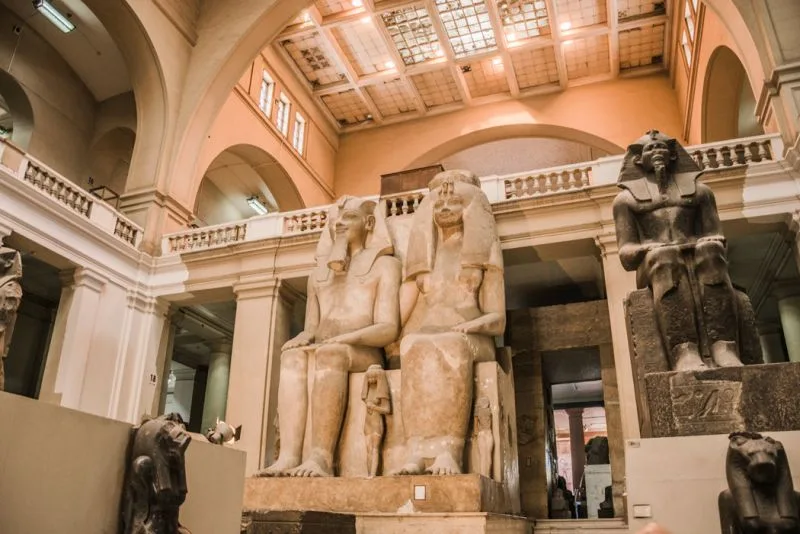
Egyptian Museum
Explore galleries filled with statues, jewelry, funerary objects, and other artifacts from different periods of ancient Egyptian history. Your guide can help connect the objects to the rulers and sites you have seen.
Salah El-Din Citadel
This historic fortress was built on a hill overlooking Cairo and served as a defensive stronghold and government center. Its elevated position provides broad views across the city.
Mosque of Mohamed Ali
Located within the Citadel, this 19th-century mosque is known for its large central dome, elegant minarets, and Ottoman-inspired design. Its courtyard also offers sweeping views of Cairo.
a break for Lunch and then Continue to historic Cairo.
Al-Muizz Street
Walk along one of Cairo’s most important historic streets, lined with mosques, schools, houses, and other monuments from the city’s medieval Islamic period.
The Hanging Church
One of the best-known Coptic churches in Old Cairo, it was built above the remains of a Roman fortress gateway. Inside, visitors can see its decorated wooden ceiling, icons, and traditional church features.
Ben Ezra Synagogue
This historic synagogue is associated with the Cairo Geniza, a collection of manuscripts that shed light on Jewish life and trade in the region over many centuries.Khan El Khalili Bazaar
Explore the lanes of Cairo’s historic market, where shops sell traditional crafts, spices, jewelry, and souvenirs. The bazaar is also known for its cafés and lively atmosphere.Overnight in Cairo.
-
09 Day 9 – Fly to Amman

Transfer to Cairo Airport for your international flight to Amman. Upon arrival at Queen Alia International Airport, meet your representative and transfer to your hotel. Dinner and overnight in Amman.
-
10 Day 10 – Salt, Jerash, and Ajloun

After breakfast, visit:
Salt
Walk through the historic center, where traditional stone buildings and old streets reflect the town’s past as an important regional trading and administrative hub.
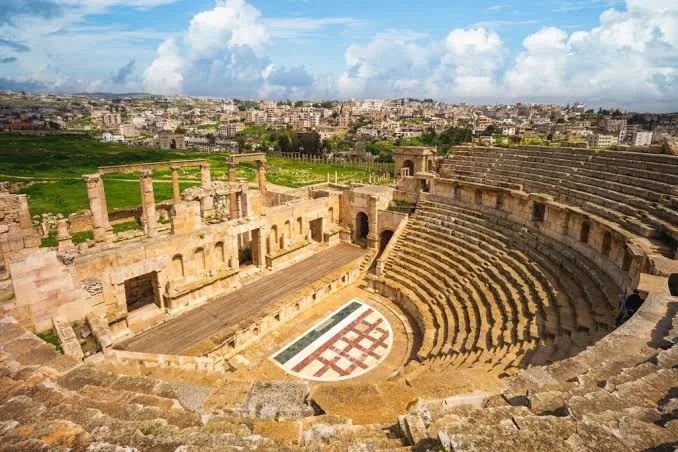
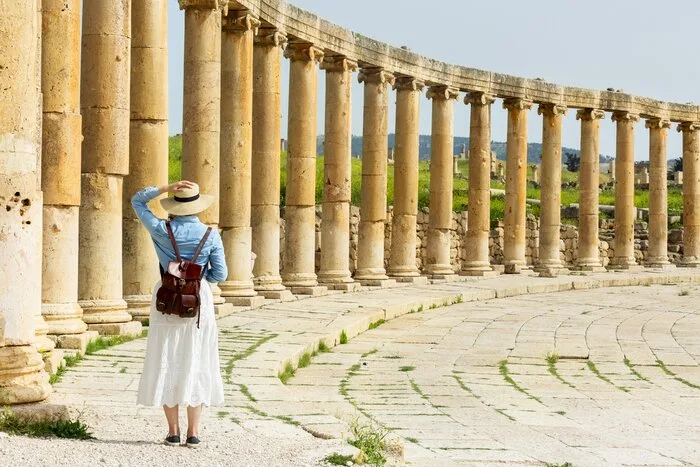
Jerash
Explore the remains of the ancient Roman city of Gerasa. Highlights include its plazas, colonnaded streets, temples, theatres, and monumental gateways, which give a clear impression of the city’s public life.
Ajloun Castle
Visit this hilltop fortress built during the Ayyubid period to help defend the region and oversee important routes. Its towers, stone corridors, and elevated setting offer views across the surrounding countryside.
Return to Amman. Dinner and overnight.
-
11 Day 11 – Mount Nebo, Madaba, Bethany, Shobak, and Petra

After breakfast, visit:
Mount Nebo
Traditionally associated with Moses, this mountain overlooks the Jordan Valley and the Dead Sea. On a clear day, the viewpoint offers wide views across the surrounding landscape.
Madaba
This historic town is known for its Byzantine-era mosaics, preserved in churches and other buildings throughout the area.
St. George’s Church
The church contains Madaba’s famous mosaic map, which depicts the Holy Land and nearby regions. It is one of the most notable examples of the town’s mosaic heritage.
Bethany Beyond the Jordan
Visit the archaeological site traditionally associated with the baptism of Jesus. The area includes remains of churches and baptism-related structures near the Jordan River.
Shobak Castle
Explore the remains of this Crusader fortress, built on a hill with views across the surrounding countryside. Its surviving walls and passageways show its former defensive role.
Continue to Petra. Dinner and overnight in Petra.
-
12 Day 12 – Petra, Little Petra, and Wadi Rum

Enjoy a guided visit to Petra.
Petra
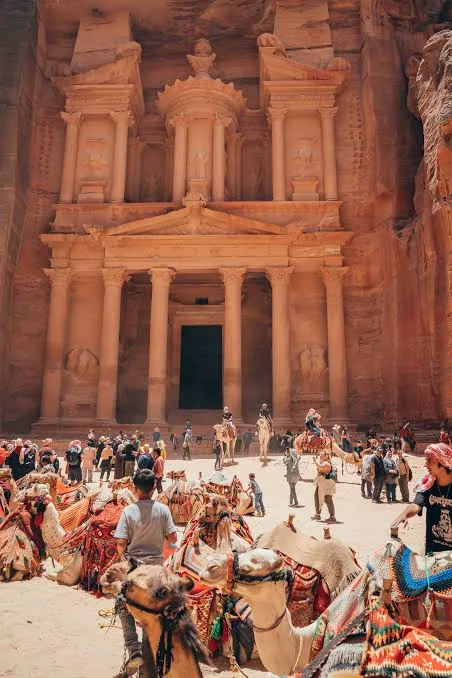
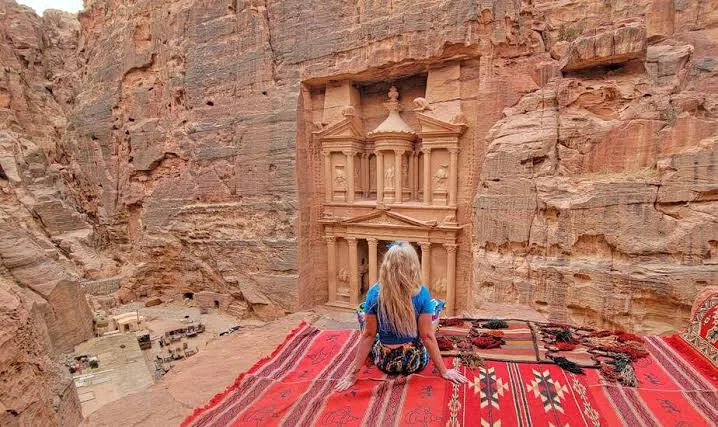
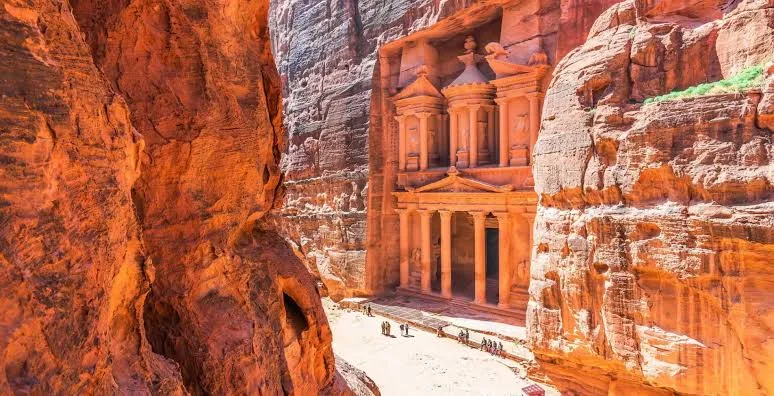
The ancient Nabataean city is famous for its buildings carved directly into rose-colored sandstone. Its monuments reflect the skill of the Nabataeans, who made Petra an important center for trade.
The Siq
Walk through a narrow natural gorge that formed Petra’s main entrance. The high rock walls and changing colors create a dramatic approach to the city.
The Treasury
At the end of the Siq, see Petra’s most famous façade, carved into the sandstone cliff. Its precise original purpose is debated, and your guide can explain the main interpretations.
Street of Facade
This row of rock-cut tombs lines part of Petra’s main route. Their carved entrances show the variety of styles used in the city’s funerary architecture.
Royal Tombs
These large tombs are carved high into the cliffs and are among Petra’s most prominent monuments. Their façades display different designs and have been shaped by centuries of weathering.
Roman Theatre
The theatre was carved partly into the rock and later adapted during the Roman period. Its seating area looks out over the surrounding archaeological site.Colonnaded Street
This was one of Petra’s main thoroughfares, lined with columns and public buildings. The surviving remains help show how the city’s central area was organized.
Great Temple
Explore the remains of a large complex in Petra’s city center, including platforms, columns, and other architectural features.
Guests may use free time to hike to:
Ad Deir (the Monastery)
This monumental rock-cut building sits high above Petra and is reached by a long flight of steps. The climb is demanding, but the site and views are rewarding for visitors who have the time and energy.
Then visit:
Little Petra
Known locally as Siq al-Barid, this smaller Nabataean site features narrow passages, carved façades, and rooms cut into the sandstone. It is thought to have served travellers connected with Petra.
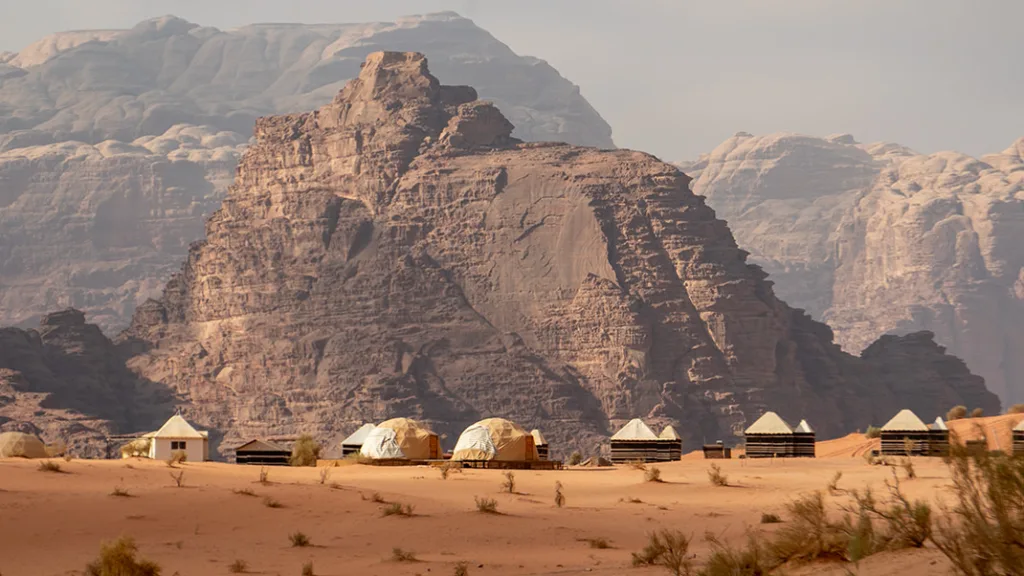
Continue to Wadi Rum for dinner and overnight at Mazayen Luxury Camp.
Please note: Petra involves considerable walking over uneven ground and steps. The number of horses available at the site is limited.
-
13 Day 13 – Wadi Rum and the Dead Sea
After breakfast, enjoy a two-hour 4×4 Jeep tour.
Wadi Rum
Explore a desert landscape of sandstone mountains, open valleys, and dramatic rock formations. The Jeep tour includes stops at selected viewpoints and natural features.
Continue to:
Dead Sea
Relax at the Crowne Plaza beach beside the highly saline lake. Visitors can experience floating in the water and enjoy the resort’s beach facilities.
Dinner and overnight at the Crowne Plaza Dead Sea Hotel.
-
14 Day 14 – Departure from Amman
After breakfast, transfer to Queen Alia International Airport for your departure flight.
Availability
This tour departs on the following days. Send us your preferred date and we will confirm availability for you.
- Everyday
Room & Cabin Occupancy and Single Supplement
- All tour prices are based on two guests sharing a twin or double room/cabin, unless otherwise stated.
- Guests requesting a private room or private cabin will be required to pay a single supplement.
- For Nile cruises, the single-cabin supplement is normally an additional 70% of the per-person twin-sharing rate.
- Hotel single-room supplements vary depending on the hotel, travel dates, availability, and season.
- Single rooms and cabins are subject to availability and final confirmation.
- The exact single supplement will be clearly stated in your quotation and booking confirmation.
- If one traveler cancels and the remaining guest occupies the room or cabin alone, the applicable single supplement may be added to the booking.
By confirming your booking, you acknowledge and accept the applicable room/cabin occupancy and single-supplement conditions.
Read the full Booking, Payment & Cancellation PolicySingle supplements may vary by supplier and are always confirmed before payment.
Frequently asked questions
Is it safe to go on a tour in Egypt right now?
Egypt offers a wide range of tours to suit every travel style, interest, and budget. Some of the most popular options include a 6-day tour covering Cairo, Luxor, Aswan, and Abu Simbel; an 8-day package that explores Cairo, Luxor, Abu Simbel, and Hurghada; a 9-day journey combining Cairo, a Nile Cruise, and Alexandria; and a 10-day tour featuring Cairo, Aswan, Luxor, and Hurghada. Whether you're drawn to ancient history, cultural landmarks, or relaxing by the Red Sea, there's a tour perfectly tailored for you.
How Much a trip to Egypt costs?
Tour prices in Egypt vary based on length, comfort, and inclusions. Budget tours start around $600–$900 USD for a week, mid-range packages range from $1,000–$1,800, and luxury tours can exceed $2,000 USD. Prices usually include hotels, guided tours, and domestic transport, but not international flights.
What are the visa requirements for Egypt?
To visit Egypt, most travelers require a visa. Citizens from over 180 countries, including the U.S., UK, Canada, and EU nations, can apply for a 30-day tourist visa. This can be obtained either online via Egypt’s official eVisa portal or on arrival at Egyptian airports for a fee of approximately $25 USD. However, travelers heading to Sharm El Sheikh, Dahab, Nuweiba, or Taba resorts can enter visa-free for up to 15 days, here’s the www.visa2egypt.gov.eg
How long should my passport be valid to travel to Egypt?
Passport validity: Ensure your passport is valid for at least 6 months from your intended arrival date in Egypt.
What do I need to pack for my tour to Egypt?
You will need to pack lightweight, breathable clothing, a hat, sunglasses, sunscreen, comfortable walking shoes, a reusable water bottle, a scarf or shawl (for sun and temple visits), and a basic first aid kit. Don’t forget your passport, travel documents, and any personal medications.
What is the best time to visit Egypt?
The best time to visit Egypt is during the cooler months from October to April, when temperatures are mild and comfortable for sightseeing. Avoid the peak summer months (June to August) as it can get extremely hot, especially in desert and southern regions.
How is the summer time weather in Egypt?
Summer in Egypt (June to August) is very hot, with temperatures often exceeding 40°C (104°F), especially in desert areas and southern cities like Luxor and Aswan. Coastal areas like Alexandria and the Red Sea are a bit cooler with sea breezes.
What about Winter Time in Egypt?
Winter in Egypt (December to February) is mild and pleasant, with daytime temperatures around 20–25°C (68–77°F). Nights can be cool, especially in the desert, so light jackets are recommended. It's a great time for sightseeing and outdoor activities.
What is the best advice for a solo traveler visiting Egypt?
For solo travelers in Egypt, stick to group tours, avoid going out alone at night, dress modestly, use trusted transport, and keep your belongings secure. Stay aware, stay connected, and respect local customs for a safe and enjoyable trip.
What is the best advice to a family with kids visiting Egypt?
For families with kids visiting Egypt, it’s best to choose family-friendly tours with shorter travel times, plenty of breaks, and activities suitable for children. Stay in comfortable accommodations, keep hydrated, protect from the sun, planning ahead and pacing the itinerary will ensure a fun and safe experience for everyone.
Is transportation easy to use in Egypt?
Transportation in Egypt includes buses, trains, taxis, ride-hailing apps like Uber and Kareem, and domestic flights for longer distances. In cities, taxis and minibuses are common, while Nile cruises offer a unique travel experience. Traffic can be busy and chaotic, so it’s best to use trusted transport services or arranged tours for convenience and safety.
What are the major festivals and holidays in Egypt?
Egypt’s major national holidays include Revolution Day (July 23), Labor Day (May 1), and Sinai Liberation Day (April 25). Key festivals are Ramadan, Eid al-Fitr, Eid al-Adha, and Coptic Christmas (January 7). Dates for Islamic holidays change yearly based on the lunar calendar.
What should a woman traveler know before going to Egypt?
For foreign women traveling to Egypt, dress modestly, avoid walking alone at night, use trusted transport, stay in well-reviewed accommodations, and be aware of local customs to ensure a safe and comfortable trip.
What fun things can I do while visiting Egypt?
There are some fun things to do while visiting Egypt: explore the Pyramids of Giza and the Sphinx, take a Nile River cruise, visit ancient temples in Luxor and Abu Simbel, snorkel or dive in the Red Sea, wander the bustling markets of Cairo, and enjoy traditional Egyptian cuisine.
Real Reviews, Real Travellers
Book Egypt Travel Reviews
Verified guest reviews from across the web — the words are exactly what our travellers wrote.
Explore more