

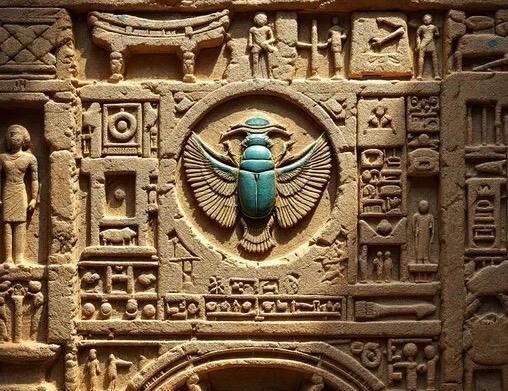
The scarab beetle is one of the most fascinating symbols of ancient Egyptian history and culture. Travelers to Egypt will see this iconic beetle carved into temple walls, painted on tombs, and sold as souvenirs in bustling markets. More than just an insect, the scarab represented life, death, rebirth, and the eternal cycle of the sun. Learning its meaning enriches visits to sites like the Pyramid of Khafre in Giza and the Temple of Dendera.
The Symbolism Behind the Scarab Beetle
The scarab’s meaning is inspired by its natural behavior. Ancient Egyptians observed dung beetles rolling balls of mud across the ground, likening it to Ra, the sun god, rolling the sun across the sky. This simple observation became a profound spiritual symbol representing creation, transformation, protection, and renewal.
Today, the scarab continues to inspire, symbolizing hope, new beginnings, and the power to overcome challenges.
Scarabs in Ancient Egyptian Life
For centuries, scarabs were carved into amulets, jewelry, and seals. They were worn as protective charms or placed with the dead to ensure safe passage to the afterlife. Made of faience, gold, or stone, scarabs reflected both spiritual significance and artistry.
The scarab was closely linked to Khepri, the scarab-headed god representing the rising sun and the cycle of rebirth. Seeing authentic scarabs in museums like the Egyptian Museum in Cairo or at archaeological sites across Luxor and Aswan gives travelers a direct connection to this ancient symbolism.
Scarab Beetles as Symbols of the Sun and Rebirth
The scarab embodies the eternal cycle of life. Its connection to the rising sun made it a symbol of creation, resurrection, and new beginnings. On temple walls in Luxor, Karnak, and Dendera, scarab carvings continue to inspire visitors, radiating the energy of renewal and spiritual transformation.
Heart Scarabs and Funerary Practices
Scarab amulets were central to funerary rituals. Heart scarabs, larger versions, were placed over the chest of mummies and inscribed with spells from the Book of the Dead to ensure the soul’s favorable judgment.
These artifacts, carved from stone, faience, or precious gems, demonstrate how the scarab symbolized protection, rebirth, and eternal life.
Scarabs in Daily Life and Administration
Scarab motifs were not just spiritual. Commemorative scarabs recorded royal events, hunting expeditions, and building projects. Seals carved with scarabs were used to protect documents and mark ownership, showing how this symbol bridged religion, governance, and art.
Winged Scarabs and Spiritual Meaning
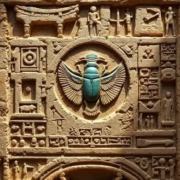
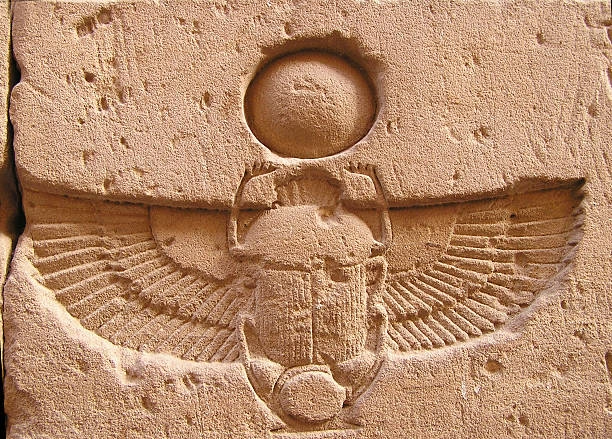
The winged scarab, often carved or painted on tomb walls, represents the soul’s ability to ascend to the heavens. Today, winged scarabs are still admired in jewelry, symbolizing transformation, freedom, and spiritual awakening.
Scarabs in Egyptian Mythology
At the heart of scarab mythology is Khepri, the god with a scarab head, rolling the sun across the sky. The scarab symbolized transformation, creation, and the constant renewal of life. It was closely linked to deities like Ra and Osiris, reinforcing its role in life, death, and rebirth.
Scarab Beetle Jewelry and Souvenirs Today
Modern travelers can bring home scarab amulets, rings, and necklaces, crafted in stone, silver, or gold. Many feature the winged scarab, connecting wearers with the ancient symbol of protection, guidance, and transformation. For authentic pieces, visit museum shops or certified artisans in Cairo, Luxor, and Aswan.
Scarabs in Art and Temples
Scarab motifs appear in hieroglyphs, temple carvings, and tomb paintings. At the Temple of Dendera, scarabs carry the rising sun, symbolizing divine protection. On temple walls and papyrus, these carvings illustrate the ancient Egyptians’ understanding of life, death, and cosmic order.
Why the Scarab Still Matters
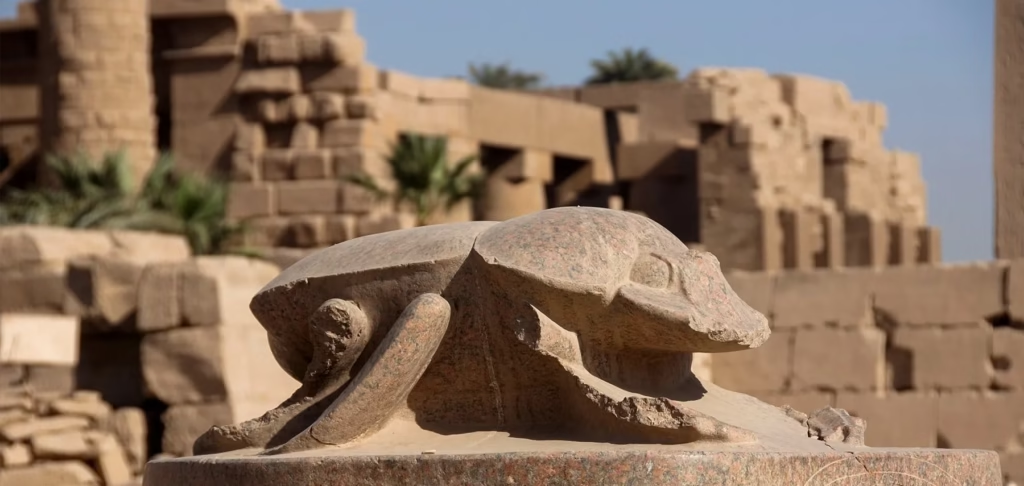
The scarab remains a timeless symbol for travelers, historians, and spiritual seekers. It represents renewal, good luck, and transformation. Standing before scarab statues at Karnak, holding an authentic amulet, or admiring museum artifacts provides a deep connection to Egypt’s spiritual and cultural heritage.
Visiting Scarabs in Egypt
When traveling to Egypt, include visits to:
- Egyptian Museum, Cairo – Heart scarabs, jewelry, amulets
- Luxor & Karnak Temples – Carvings and statues
- Temple of Dendera – Astronomical ceiling and scarab reliefs
- Souks & Bazaars – Authentic scarab jewelry and souvenirs
Every encounter with a scarab beetle becomes a symbolic reminder of life’s eternal cycle and personal transformation.
Book Your Egypt Trip
Experience the mystery and magic of the scarab beetle firsthand. With Book Egypt Travel, explore temples, tombs, and museums where this iconic symbol comes alive. Bring home your own scarab amulet and carry the power of protection, rebirth, and good fortune on your journey.