



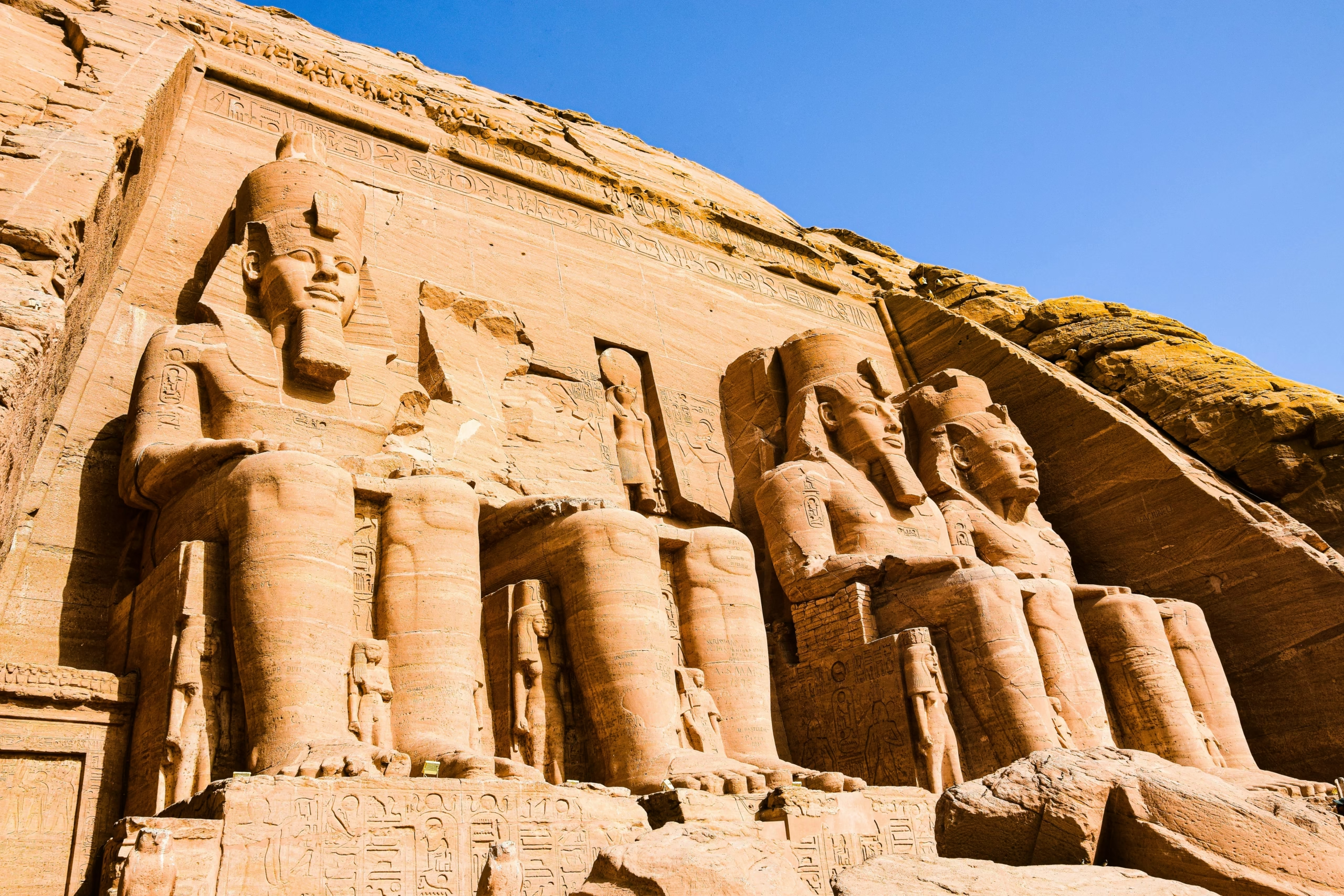
The Abu Simbel Sun Festival is one of Egypt’s most extraordinary cultural events, attracting thousands of travelers from around the world to witness an ancient architectural and astronomical wonder. Twice a year — in February and October — the rising sun illuminates the inner sanctuary of the Sun Temple of Ramses II, highlighting statues of the pharaoh and the gods he honored, while leaving the god of darkness, Ptah, in shadow.
This breathtaking solar alignment showcases ancient Egyptian engineering and the enduring cultural and spiritual significance of Egyptian festivals. For modern travelers, it offers a unique combination of history, culture, and adventure, from witnessing the sunrise in the temple to celebrating outside with Nubian music, dance, and traditional festivities.
What is the Abu Simbel Sun Festival?
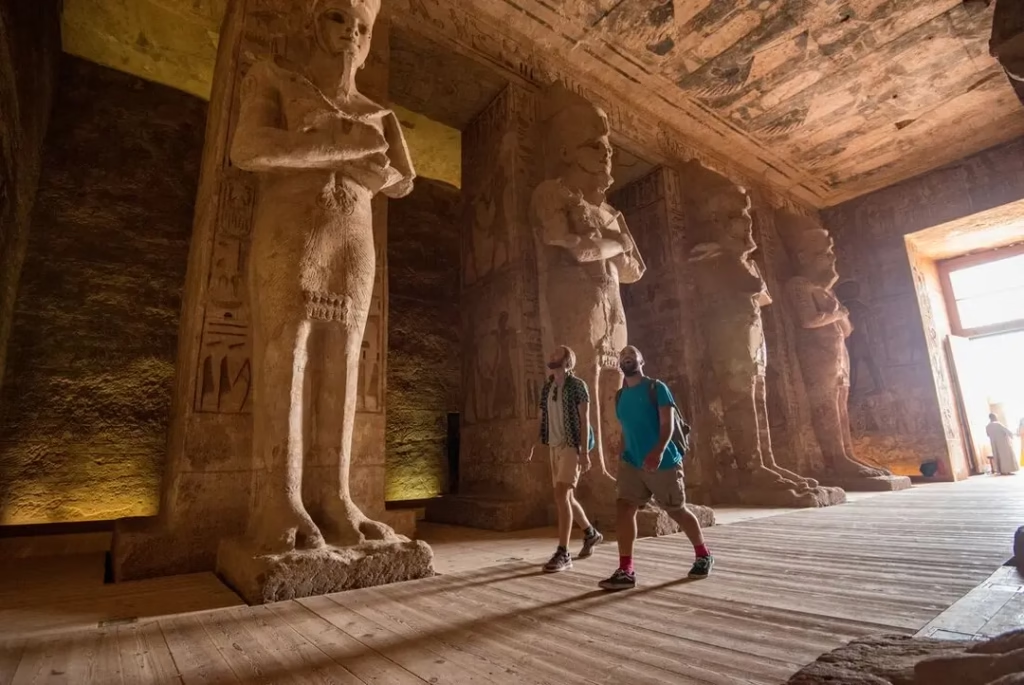
Celebrated twice a year, the Abu Simbel Sun Festival occurs when sunlight penetrates the sanctuary of the Great Temple, illuminating Ramses II, Ra-Horakhty, and Amun. The phenomenon happens on or around February 22 and October 22, although due to the relocation of the temples in the 1960s, the alignment now occurs on February 21–22 and October 22.
The festival is not only a solar spectacle but also a cultural celebration. Visitors gather early in the morning to watch the light fill the temple’s sanctuary, followed by vibrant Nubian music, dance, and local food stalls outside. It’s a living tradition connecting travelers with Egypt’s ancient past.
Why the Festival Happens Only Twice a Year
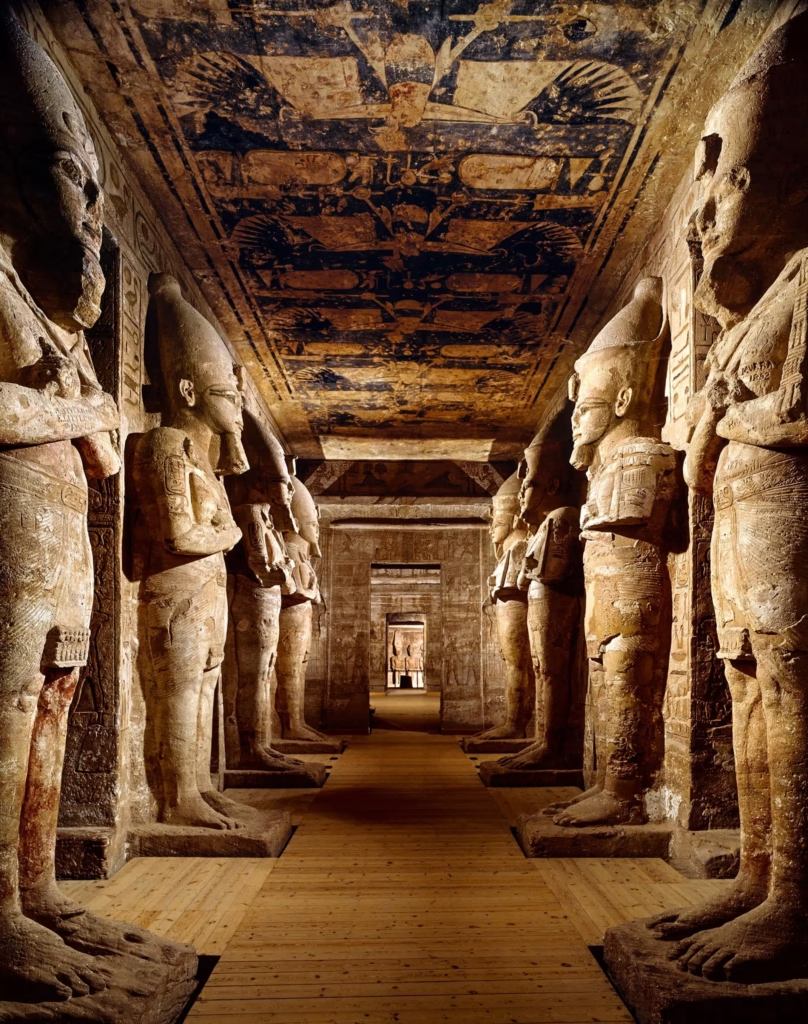
The temple was precisely aligned to allow sunlight to illuminate the statues only twice annually, likely corresponding to Ramses II’s coronation and birthday. Ancient Egyptian architects calculated the temple’s axis so that sunlight travels over 60 meters to reach the inner sanctuary.
Even after the temples were moved during the Aswan High Dam project, this alignment was preserved, though shifted by a day. Today, the effect remains, symbolizing the balance of light and darkness, life and divine power, just as it did over 3,000 years ago.
Abu Simbel Sun Festival Dates 2025–2026
- February 2026: February 22
- October 2026: October 22
The festival takes place just after sunrise, typically between 5:30–6:30 a.m., lasting around 20–25 minutes. Travelers are advised to arrive well before dawn to secure a good viewing spot.
The History of Abu Simbel and Ramses II
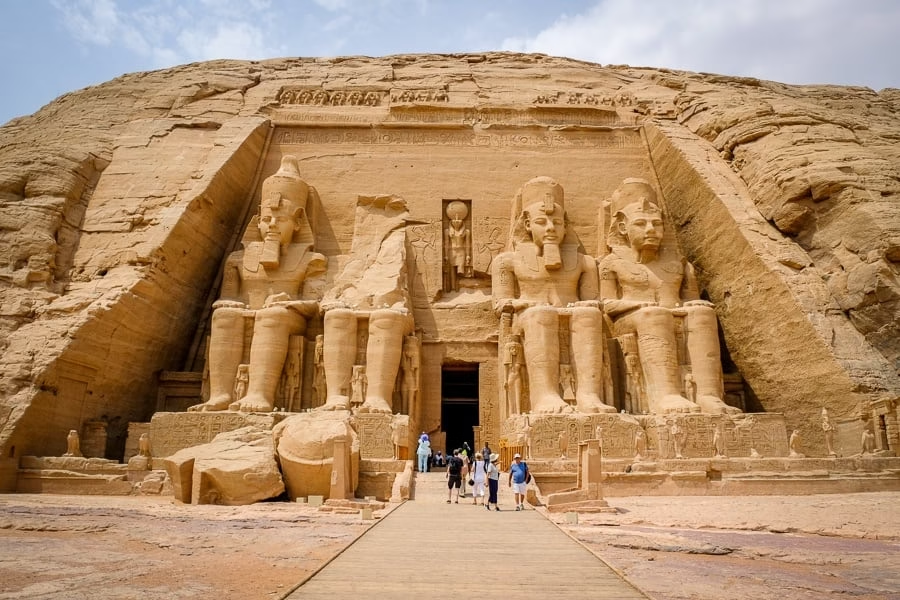
Ramses II, one of ancient Egypt’s most powerful pharaohs, commissioned the temples at Abu Simbel to demonstrate his divine authority. The Great Temple honors himself and the gods Ra-Horakhty, Amun, and Ptah, while the Temple of Hathor celebrates his queen, Nefertari.
The temples were strategically placed along the Nile to impress travelers and locals alike. Today, the sunlight phenomenon transforms Abu Simbel into a stage for a festival that has lasted over three millennia, linking astronomy, kingship, and spirituality.
The Architectural Genius of the Sun Temple
The Sun Temple of Ramses II is an extraordinary example of ancient Egyptian engineering. From colossal statues at the entrance to the inner sanctuary aligned with sunlight, every detail reflects astronomical and architectural mastery.
During the festival, the first rays of the sun illuminate three of the four inner statues, leaving Ptah in shadow — a powerful symbol of light, life, and divine authority.
How to Attend the Abu Simbel Sun Festival
Travel Options:
- By Air: Flights from Aswan to Abu Simbel (~45 minutes)
- By Road: Bus or private transfer (~3.5–4 hours from Aswan)
Tips for Travelers:
- Book flights, hotels, and tours well in advance.
- Consider staying overnight in Abu Simbel to secure a prime spot.
- Arrive early for the sunrise phenomenon.
- Respect the cultural and spiritual atmosphere inside the temple.
- Enjoy Nubian music, dance, and local food outside the temple.
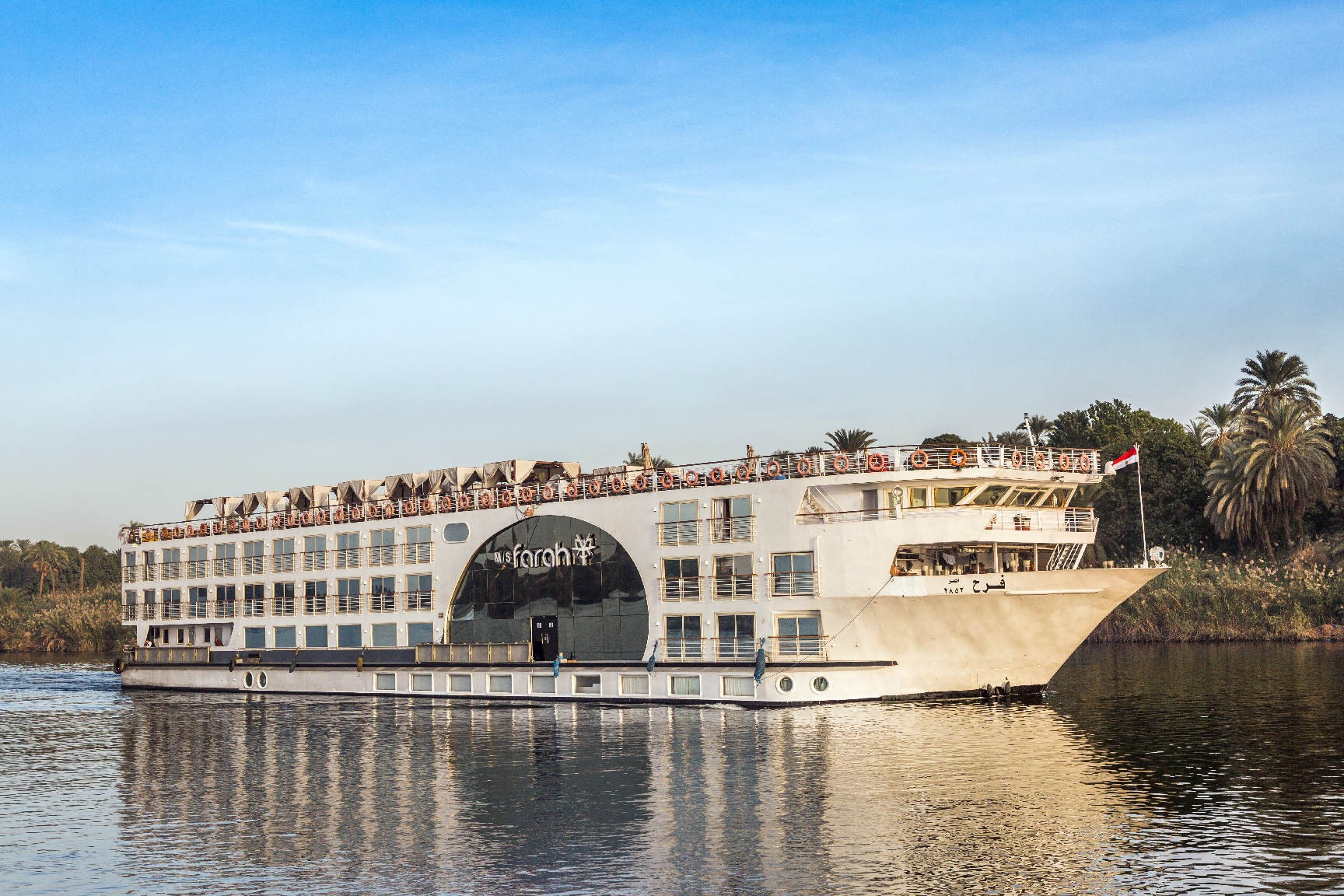
- Combine the festival with a Nile cruise or southern Egypt tour for a full experience.
Experiencing Abu Simbel Beyond the Festival
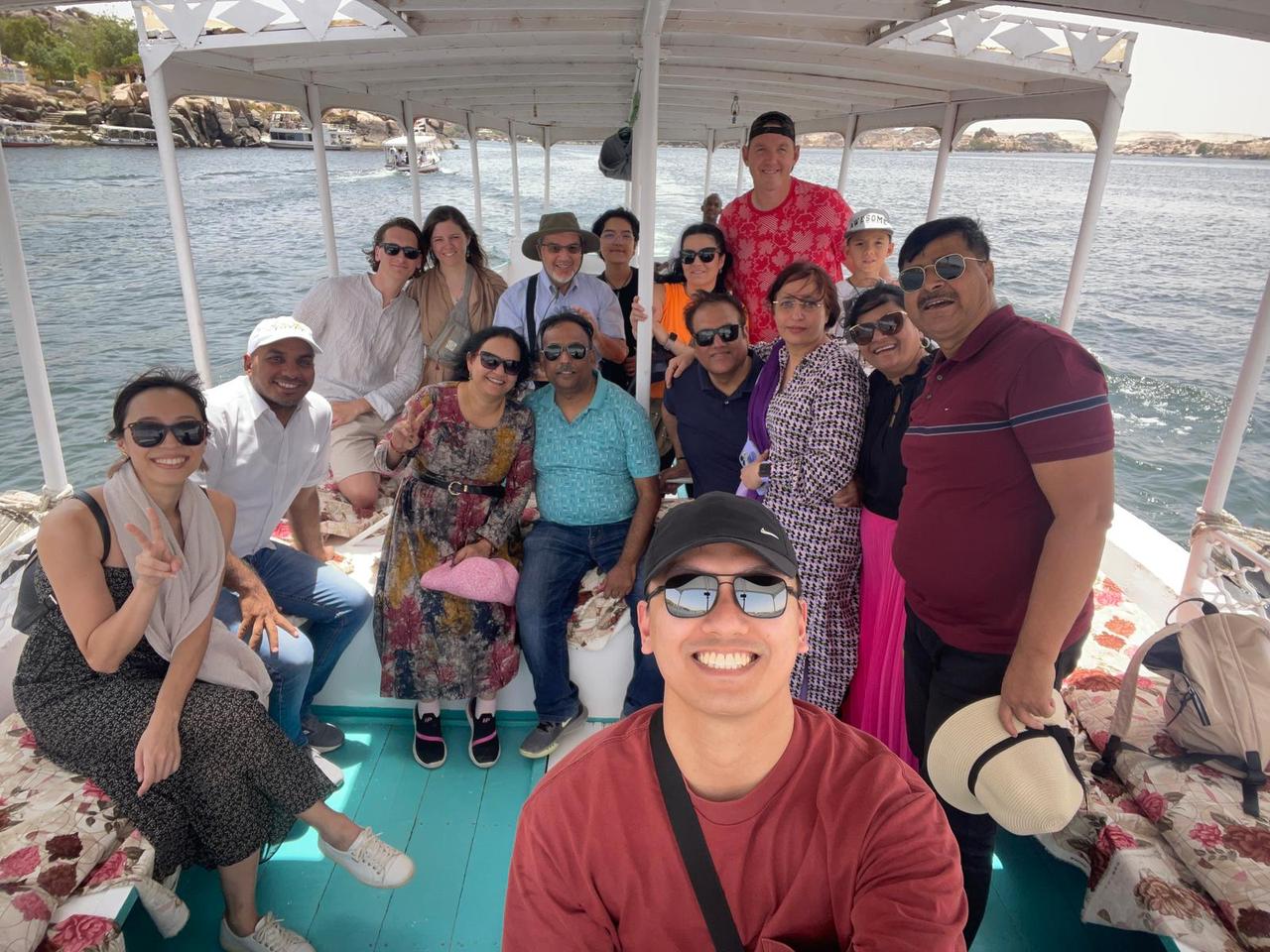
Even outside festival dates, Abu Simbel’s temples are awe-inspiring. Visitors can explore the Great Temple, Temple of Hathor, and surrounding Nubian villages, enjoy traditional music and crafts, and take boat trips on Lake Nasser to other relocated monuments like Kalabsha and Amada Temples.
The Spiritual and Cultural Meaning
The festival symbolizes cosmic order, divine kingship, and the eternal power of Ramses II. Modern Egyptians celebrate it with pride, blending history, spirituality, and local tradition. It is both a living cultural event and a reminder of Egypt’s place in human civilization.
Conclusion
The Abu Simbel Sun Festival is a once-in-a-lifetime experience where history, astronomy, and culture converge. Whether you attend in February 2026 & October 2026 the festival offers travelers a rare glimpse into the genius of Ramses II and the living traditions of southern Egypt.
With proper planning, early arrival, and respect for local customs, attending this festival can become the highlight of your Egyptian adventure.
Book your Abu Simbel Sun Festival 2026 tour today with Book Egypt Travel and witness one of the world’s most extraordinary ancient phenomena.