


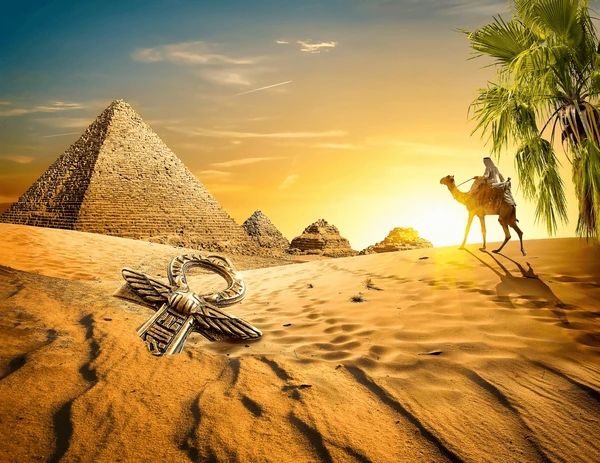
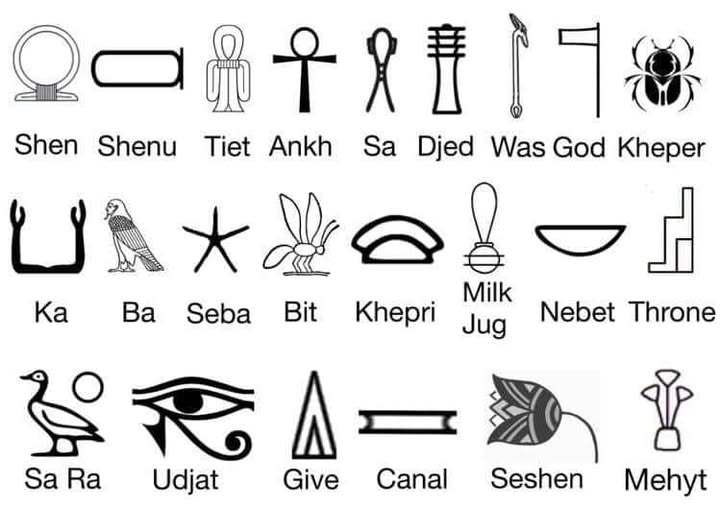
The ankh, also known as the Egyptian symbol of life, is one of the most recognizable and enduring symbols of ancient Egypt. Shaped like a cross with a loop at the top, it represents the concept of eternal life and has been featured in countless artifacts, artworks, and inscriptions throughout Egypt’s long history. The ankh was central to the religion, mythology, and culture of ancient Egyptians, appearing in the hands of gods, pharaohs, and revered figures alike.
Origins and Historical Significance
The ankh is believed to have originated in the pre-dynastic period, around 4000 BC. Initially associated with life, fertility, and regeneration, it was closely linked to the goddess Isis, the deity of motherhood, fertility, and protection. Ancient Egyptians believed the ankh held divine power, symbolizing both physical life and spiritual immortality.
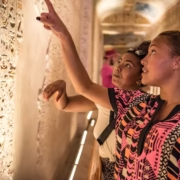
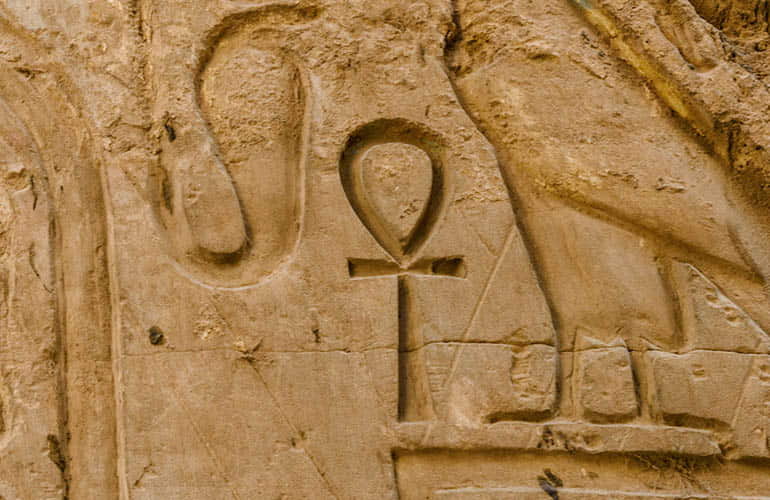
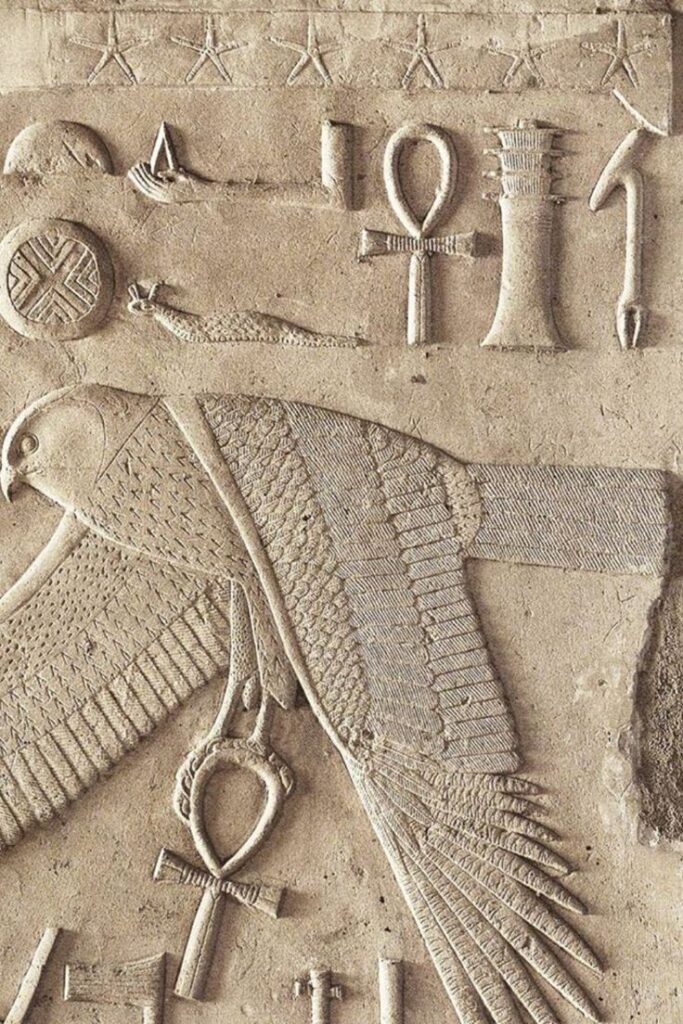
The symbol frequently appears in temple carvings, tomb paintings, and religious artifacts, where gods and pharaohs are shown holding the ankh to bestow life, blessings, and protection. It was not only a religious emblem but also a representation of authority and power. Pharaohs often carried the ankh, and it was featured on crowns, scepters, and ceremonial items to signify divine rule and the protection of their people.
The Ankh and the Afterlife
In ancient Egyptian belief, life extended beyond death into an eternal afterlife. The ankh was commonly depicted in tombs and funerary art as a symbol of hope and immortality. Egyptians believed that with the blessings of the gods, the soul could achieve eternal life. The ankh served as a guiding symbol for the living and the deceased alike, offering reassurance of protection and spiritual continuity.
Cultural and Practical Uses
Beyond its religious and symbolic meaning, the ankh was woven into daily life in ancient Egypt. It represented fertility and health, often appearing in amulets and jewelry believed to provide magical protection. In the medical field, the ankh symbolized life and healing, appearing in medical texts and even on instruments used by ancient Egyptian practitioners.
Its versatility extended to art, architecture, and decoration, appearing in temples, tombs, and personal items, reinforcing its significance across all facets of society.
The Ankh in Modern Times
Today, the ankh continues to inspire people worldwide. It is commonly used in jewelry, tattoos, artwork, and popular culture, symbolizing life, protection, and spirituality. Modern fascination with ancient Egypt has kept the ankh alive as a representation of timeless wisdom and cultural heritage.
For travelers interested in exploring the rich history and symbolism of Egypt, the ankh is a perfect starting point for discovering the fascinating world of ancient Egyptian culture. From temples and tombs to museums and cultural exhibits, Egypt offers countless opportunities to see this iconic symbol in its original context.
Plan Your Egypt Adventure
The ankh exemplifies the enduring power of Egypt’s history and culture. For those wishing to experience this ancient civilization firsthand, now is the perfect time to Book Egypt Travel and explore the wonders of Egypt. Discover the temples, pyramids, tombs, and artifacts that bring the stories of the gods and pharaohs to life, and connect with a heritage that has inspired humanity for millennia.