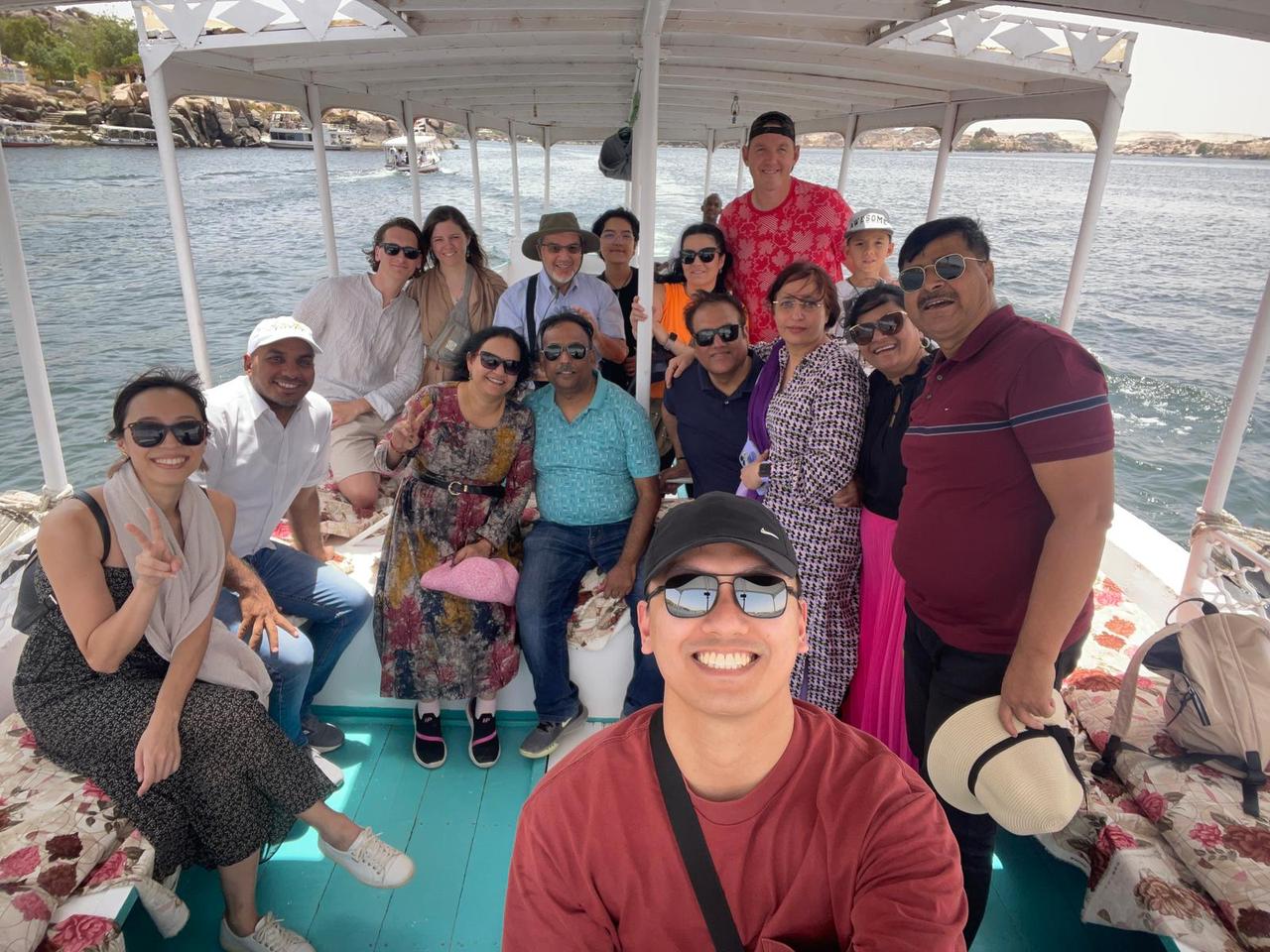





Planning a trip to Egypt can be an exciting adventure, but it also raises many questions for first-time travelers. From choosing the right accommodations to deciding which sites to visit, understanding safety tips, and knowing how much time to spend at each attraction, careful planning ensures an unforgettable experience. This guide provides all the essential information to make your Egyptian vacation smooth, enjoyable, and memorable—and helps you book Egypt travel with confidence.
Why Visit Egypt?
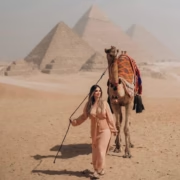
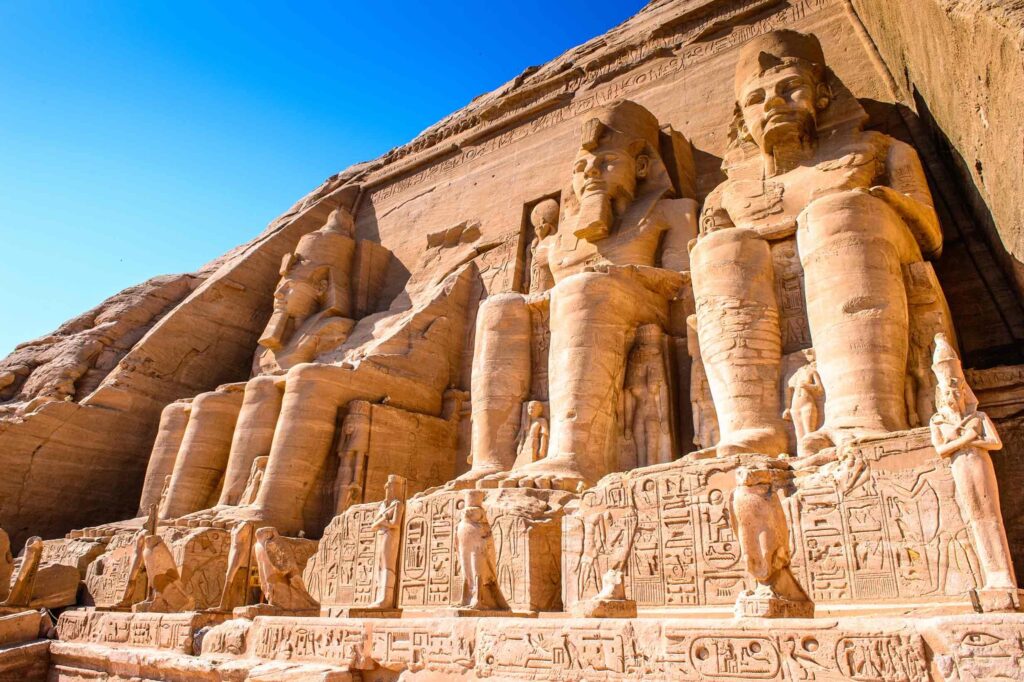
Egypt is a destination like no other. Its history, shaped by great pharaohs, kings, and rulers across thousands of years, offers travelers a unique journey through ancient civilizations. From the iconic Pyramids of Giza and Sphinx to the temples of Luxor, the Valley of the Kings, and the majestic Nile River, Egypt combines history, culture, and natural beauty in one incredible experience. As one of our guests beautifully described, “Egypt is like a fantasy novel you must experience at least once in life.”
Visiting Egypt is not just about sightseeing; it is about connecting with history. Walking through the ancient tombs, exploring temples that have stood for millennia, and sailing along the Nile allow travelers to feel the essence of Egyptian civilization. Every corner of the country tells a story, from the bustling streets of Cairo to the serene temples on the Nile’s west bank.

Where to Start Planning Your Trip
When planning your Egyptian adventure, it’s important to consider several key factors:
1. Duration and Timing
The length of your trip determines how much of Egypt you can explore. A week is sufficient to cover Cairo, Luxor, and Aswan, while longer trips allow for more in-depth exploration of Nile cruises, Red Sea resorts, and smaller historical sites. The best time to visit is between October and April, when the weather is milder. Summer months can be extremely hot, especially in Upper Egypt, so plan your travel accordingly.

2. Accommodation
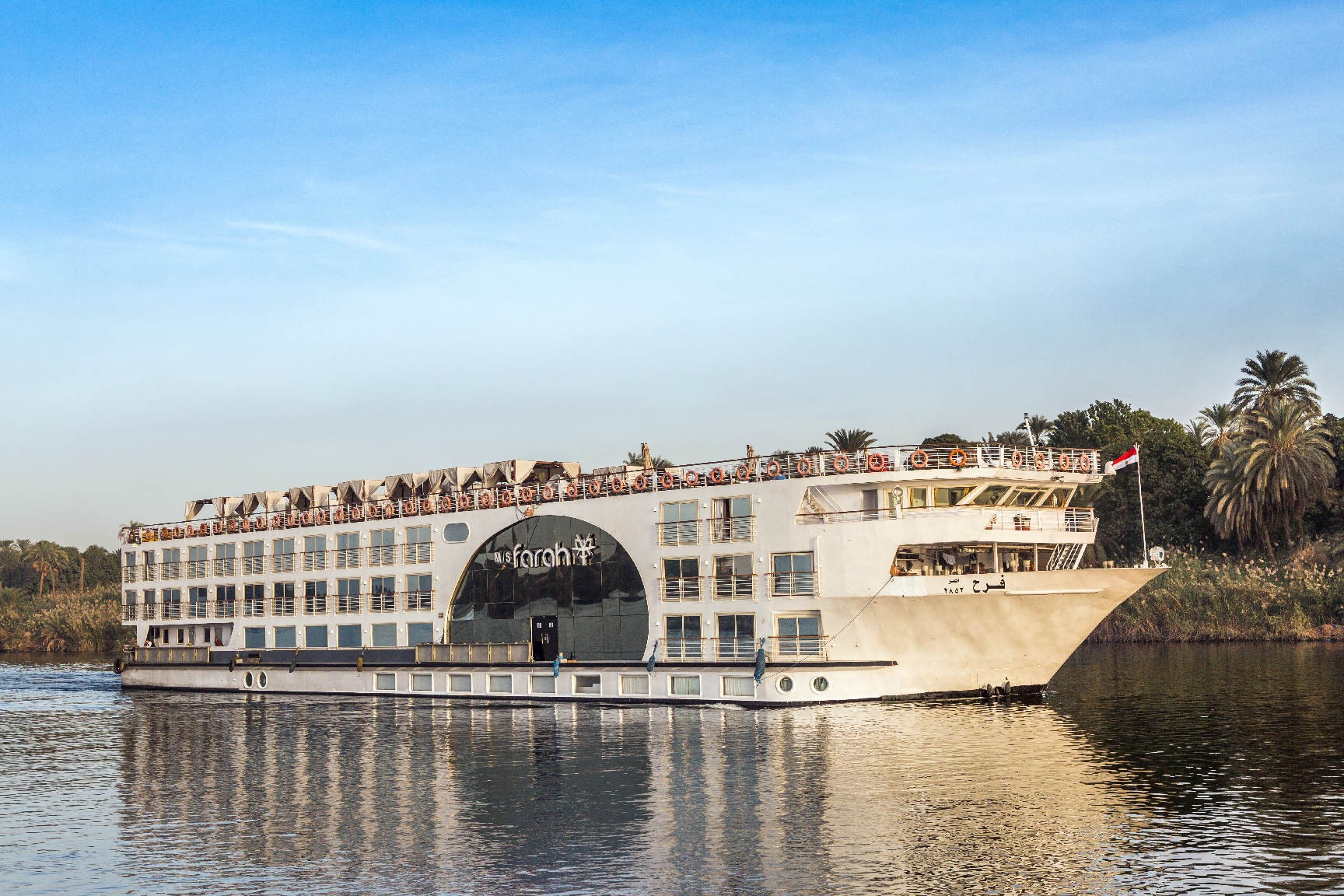
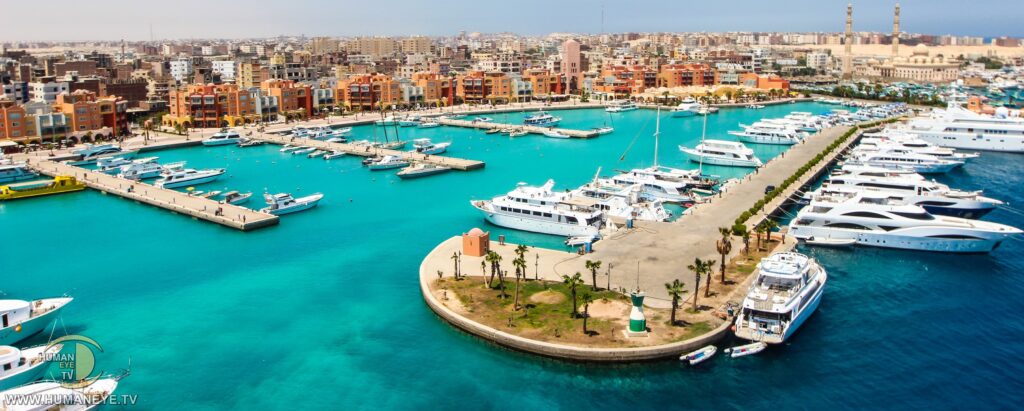
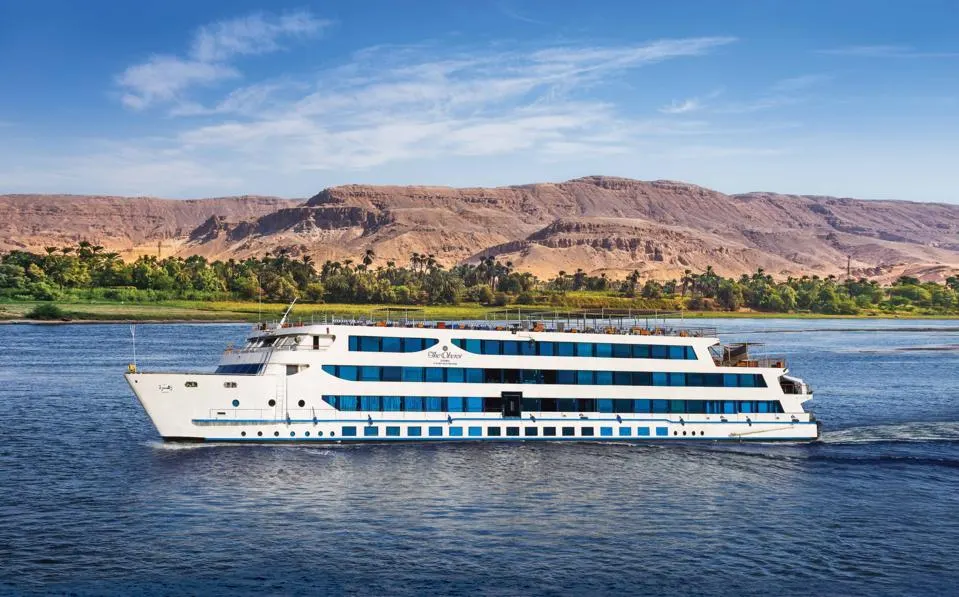
Egypt offers a wide variety of lodging options, from budget-friendly hotels to luxury resorts and elegant Nile cruise ships. When you book Egypt travel, choose accommodation that fits your style, whether it’s staying in a riverside suite on a deluxe cruise, a boutique hotel in Luxor, or a high-end resort near the Red Sea. Many accommodations also provide guided tours, airport transfers, and local insights, which can make your trip more convenient.
3. Safety and Travel Tips
Egypt is generally safe for tourists, whether traveling alone or in groups. Standard precautions include:
- Avoid walking alone in isolated areas at night.
- Keep personal belongings secure and carry only necessary cash.
- Respect local customs and dress modestly, particularly when visiting religious sites.
- Follow the guidance of licensed guides for a smoother experience.
Travelers who follow these tips generally enjoy a safe and memorable journey throughout the country.
4. Sightseeing Itinerary
Egypt is rich in historical and cultural landmarks, and planning your itinerary carefully ensures you make the most of your visit. Must-see destinations include:
- Cairo: Pyramids of Giza, Sphinx, Egyptian Museum.
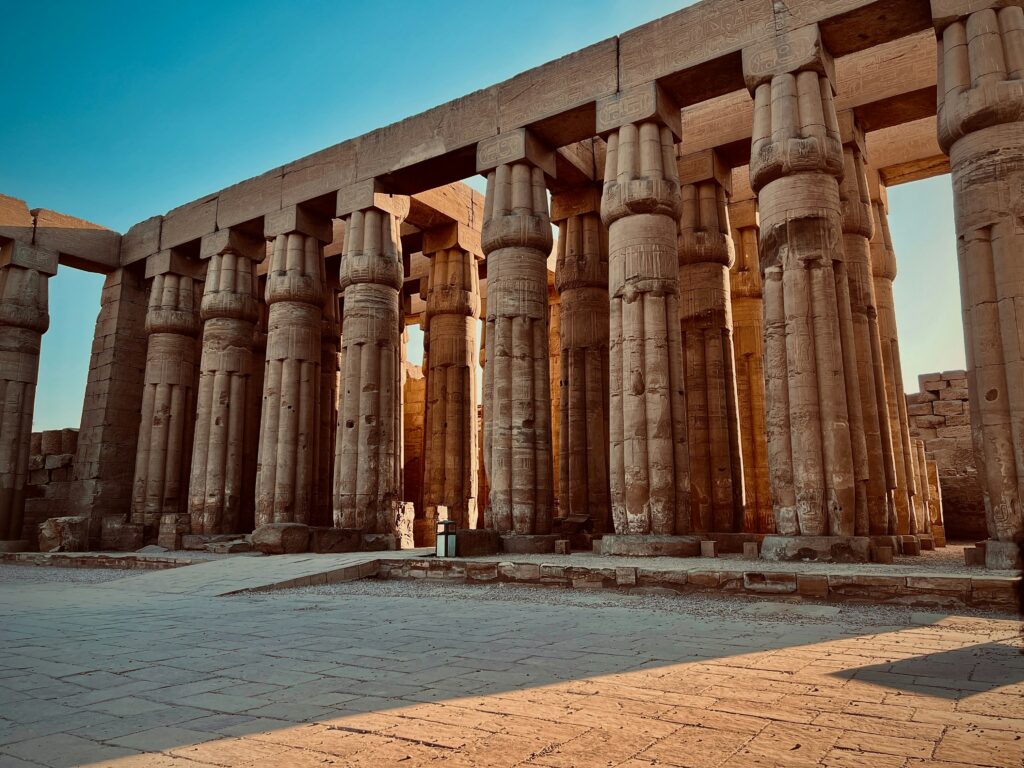
- Luxor: Karnak Temple, Luxor Temple, the Valley of the Kings, Hatshepsut Temple.
- Aswan: Philae Temple, Nubian Villages, and scenic Nile riverbanks.
- Edfu and Kom Ombo: Iconic temples showcasing Egypt’s Ptolemaic period architecture.
For a more relaxed experience, consider a Nile cruise, which combines transportation with accommodation, allowing travelers to enjoy scenic views while moving between cities.
5. Transportation
Getting around Egypt is easier than many travelers expect. Options include:
- Domestic flights: Fastest way to travel between Cairo, Luxor, and Aswan.
- Trains: Comfortable overnight trains are available for long distances.
- Private transfers and taxis: Convenient for shorter trips or airport pickups.
- Nile cruises: An enjoyable way to travel in comfort while visiting multiple cities along the river.
Selecting the right combination of transportation depends on your schedule, budget, and preferences.
6. Cultural Tips
Understanding local customs makes traveling in Egypt more enjoyable and respectful:
- Dress modestly, especially in religious or rural areas.
- Use polite greetings and respect local traditions.
- Avoid taking photos of military or police buildings.
- Bargaining is common in markets, so approach it with a friendly attitude.
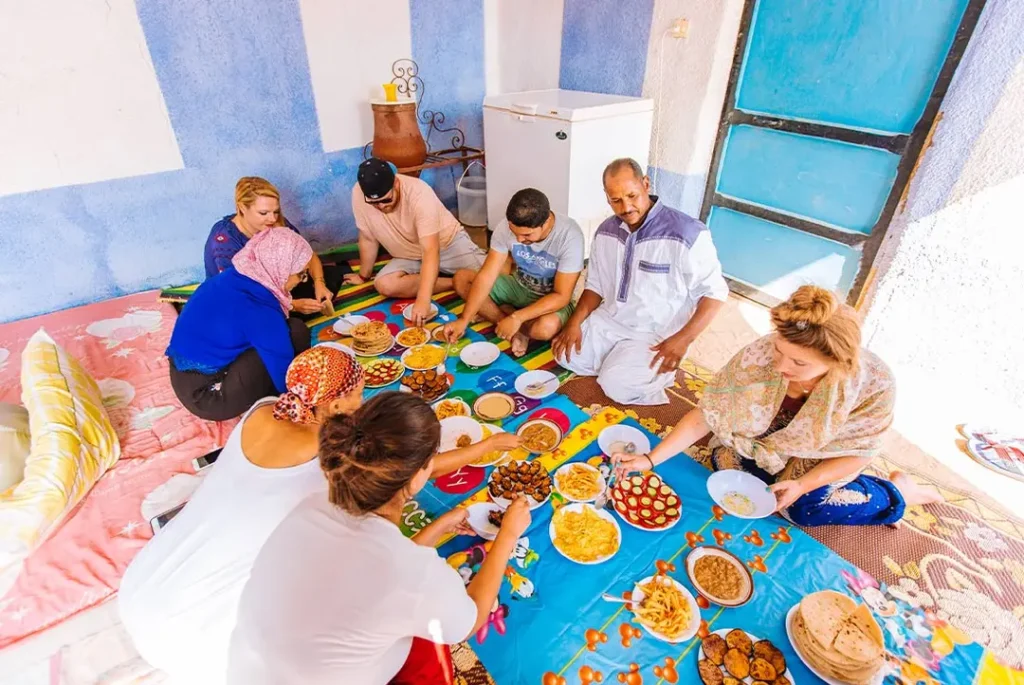
These simple cultural practices help travelers connect better with locals and enhance the overall experience.
7. Things to Avoid
To ensure a hassle-free trip, travelers should be aware of some potential pitfalls:
- Avoid carrying large sums of cash.
- Be cautious with street vendors and agree on prices beforehand.
- Do not drink tap water—bottled water is recommended.
- Avoid overcrowded areas during major festivals if possible.
Expert Tips for Travelers
Our team of experienced tour operators, guides, and travel consultants, with over 20 years of experience, recommends:
- Hiring a licensed Egyptologist guide at historical sites for deeper insights.
- Starting your site visits early to avoid crowds and the heat.
- Combining sightseeing with relaxing activities, such as sunset felucca rides or Nile dinner cruises.
- Taking your time—Egypt’s rich history deserves attention and appreciation.
- Booking your trip in advance to secure accommodations, guides, and cruise availability.
Planning ahead ensures you can make the most of your trip, enjoy each site without stress, and truly immerse yourself in Egypt’s wonders.