If there is one place in Egypt that truly leaves travelers speechless, it is Abu Simbel—a masterpiece of ancient engineering, power, and devotion. Located in the far south of Egypt near the border with Sudan, Abu Simbel stands as a timeless testament to the greatness of Pharaoh Ramses II, the most celebrated and powerful ruler of ancient Egypt. A visit to this iconic site is more than a tour—it is a journey into history, heritage, and architectural genius.
Why Abu Simbel is So Special
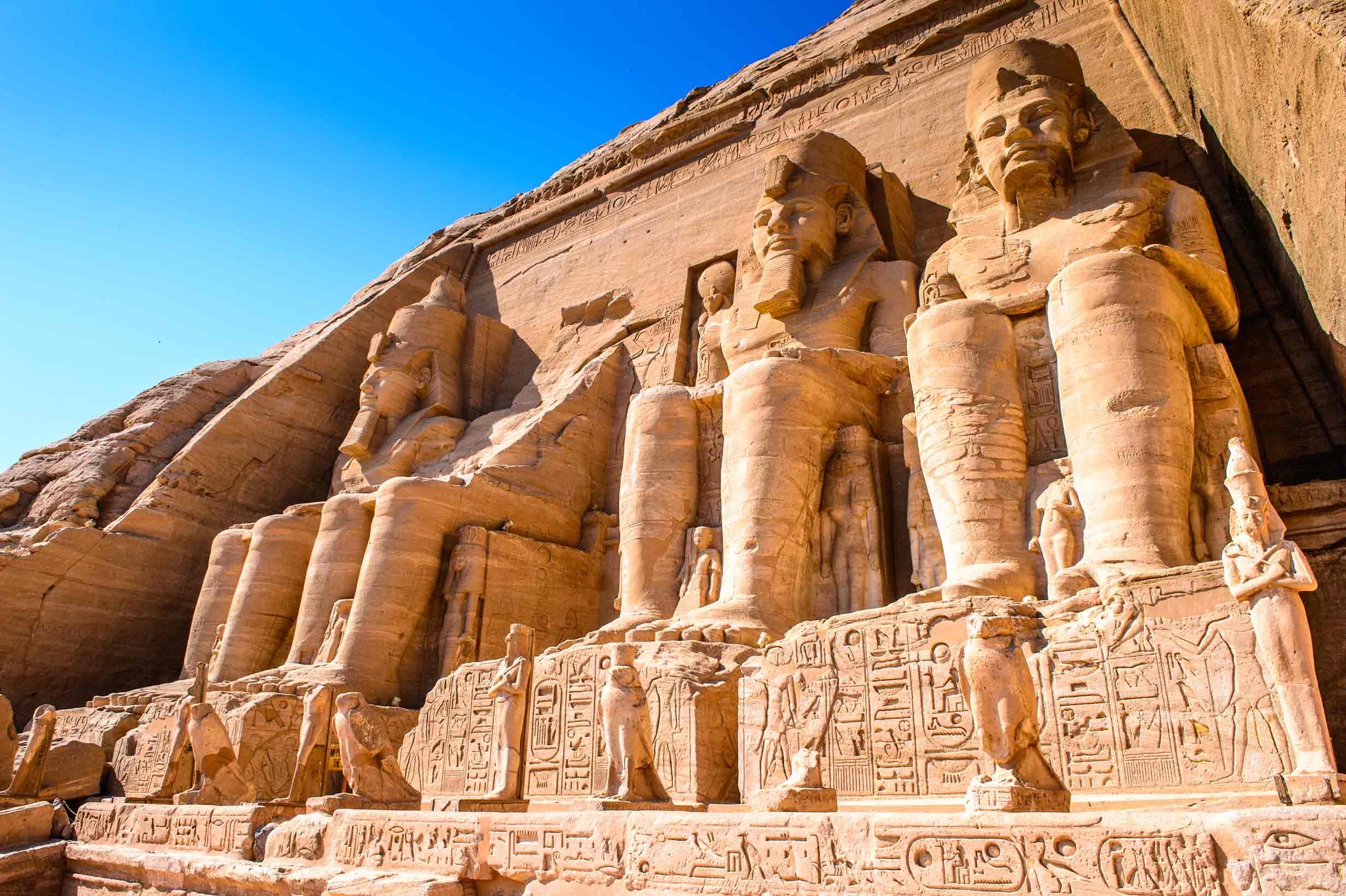
Abu Simbel consists of two magnificent rock-cut temples carved directly into a mountain over 3,200 years ago. The Great Temple is dedicated to Ramses II and features four colossal statues of the pharaoh, each standing 20 meters tall, guarding the entrance like eternal sentinels. The interior walls are beautifully decorated with scenes of his military victories, religious rituals, and offerings to the gods.
Beside it stands the Temple of Queen Nefertari, dedicated to the goddess Hathor. This smaller yet equally captivating temple honors Ramses II’s beloved wife, making it one of the few temples in Egypt dedicated to a woman—an extraordinary gesture in ancient times.
A UNESCO Wonder Relocated to Safety
One of the most remarkable stories about Abu Simbel is not only how it was built—but how it was saved. In the 1960s, the construction of the Aswan High Dam threatened to submerge the temples under Lake Nasser. In an incredible UNESCO-led rescue mission, the temples were cut into 1,050 blocks and moved 65 meters higher, piece by piece, taking four years to reconstruct. Today, Abu Simbel stands as a symbol of global cooperation and heritage preservation.
The Sun Festival Phenomenon
Twice a year—on February 22nd and October 22nd—a jaw-dropping event takes place inside the Great Temple. At sunrise, a beam of light illuminates the inner sanctuary, lighting up the statues of the gods and Ramses II seated inside. This precise alignment occurs on the pharaoh’s believed coronation and birthday, proving the advanced astronomical knowledge of the ancient Egyptians.
How to Visit Abu Simbel
Most travelers reach Abu Simbel from Aswan, either by road or short domestic flight:
- By Road: 3.5 to 4 hours each way (early morning departures required)
- By Flight: 45 minutes from Aswan or 1 hour 20 minutes from Cairo
Many visitors choose a private or small-group tour for comfort and expert insight. Visiting early morning is ideal to avoid crowds and enjoy cooler temperatures.
Is Abu Simbel Worth It? Absolutely.
For many travelers, Abu Simbel is a bucket-list highlight of their Egypt journey—often described as more impressive than the Pyramids. Its scale, history, emotional impact, and engineering achievements make it one of the world’s most extraordinary archaeological sites.
Whether you are passionate about ancient history or simply love awe-inspiring travel experiences, Abu Simbel promises a moment you will never forget.